The cradles of civilization from Mesopotamia to the Americas
At CoinCode, we explore major developments in human history, such as the emergence of agriculture, the domestication of animals, and the rise of the first permanent settlements. While these advances were fundamental to human development, they alone do not define what historians consider a civilization.
In this text, we will explore the cradles of civilization, the regions where the world’s earliest civilizations first emerged. We will examine what distinguished these societies from tribes and small villages, exploring where these civilizations arose, how they grew, and who shaped them.
What does cradle of civilization mean?
The term “cradle of civilization” refers to a location and a culture where civilization was developed independently of other civilizations elsewhere in the world. The key word here is independently. A city that grew by learning from another culture does not qualify. For historians and archaeologists, a cradle is a place where an entirely new complex society emerged on its own terms, building institutions, technologies, and systems of knowledge from scratch.
This concept, popularized in the 20th century by archaeologist V. Gordon Childe, goes well beyond the existence of large settlements. It requires a cluster of innovations that together transform how people organize their lives, transmit knowledge, govern themselves, and interact with the world around them. Currently, scholars broadly recognize six of these cradles.
The technological markers of a true civilization
Before exploring each cradle, it helps to understand what qualifications historians use. A civilization is not defined by one invention alone. Instead, it is the combination of several interlocking developments that makes a society qualify.
The core requirements generally include:
- Writing or a formal record-keeping system, which allows laws, trade, and history to be preserved across generations.
- Organized urban centers with complex architecture and infrastructure.
- Formal governance and legal codes, such as hierarchy, taxation, and bureaucracy.
- Specialized labor, where people have roles beyond farming, such as priests, soldiers, merchants, and craftspeople.
- Long-distance trade networks that connect different regions economically.
- Monumental construction, from temples to irrigation systems, reflecting collective organization.
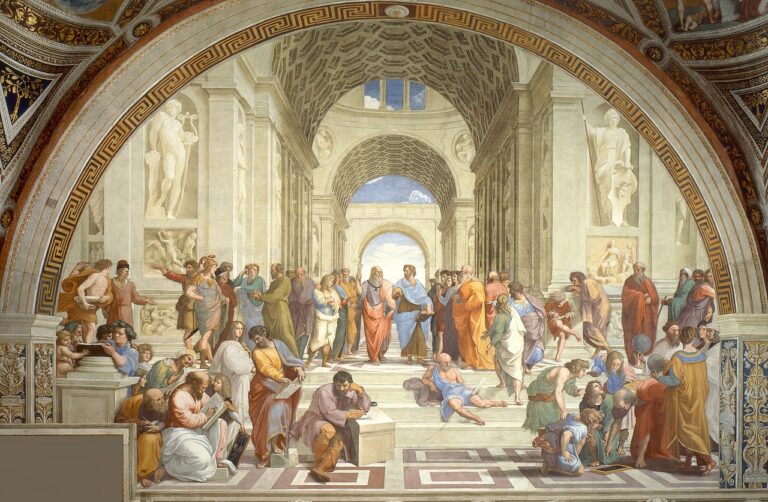
Agriculture and cities are preconditions, but they are not enough on their own. The Greeks built magnificent cities, and the Romans built an empire. Yet, as we will explore below, neither culture invented its civilization from scratch.
The six cradles of civilization
Mesopotamia (c. 4000 BCE)
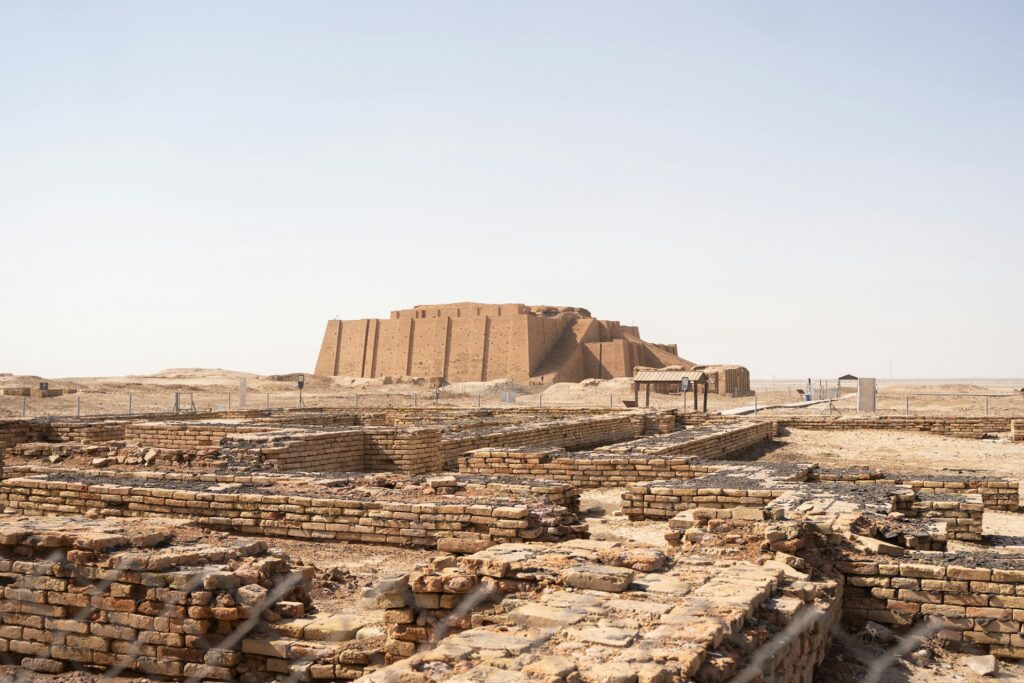
Located between the Tigris and Euphrates rivers in what is now Iraq, Mesopotamia is widely regarded as the world’s first cradle of civilization. The Sumerians, who thrived between approximately 4000 and 3000 BCE, gave the world cuneiform writing, the wheel, and the earliest known legal codes. Cities such as Uruk grew into genuinely urban centers with temples, bureaucracies, and marketplaces. The religious institution of the ziggurat served as both a place of worship and a center of economic redistribution, making religion and governance deeply intertwined from the very beginning.
Ancient Egypt (c. 3100 BCE)
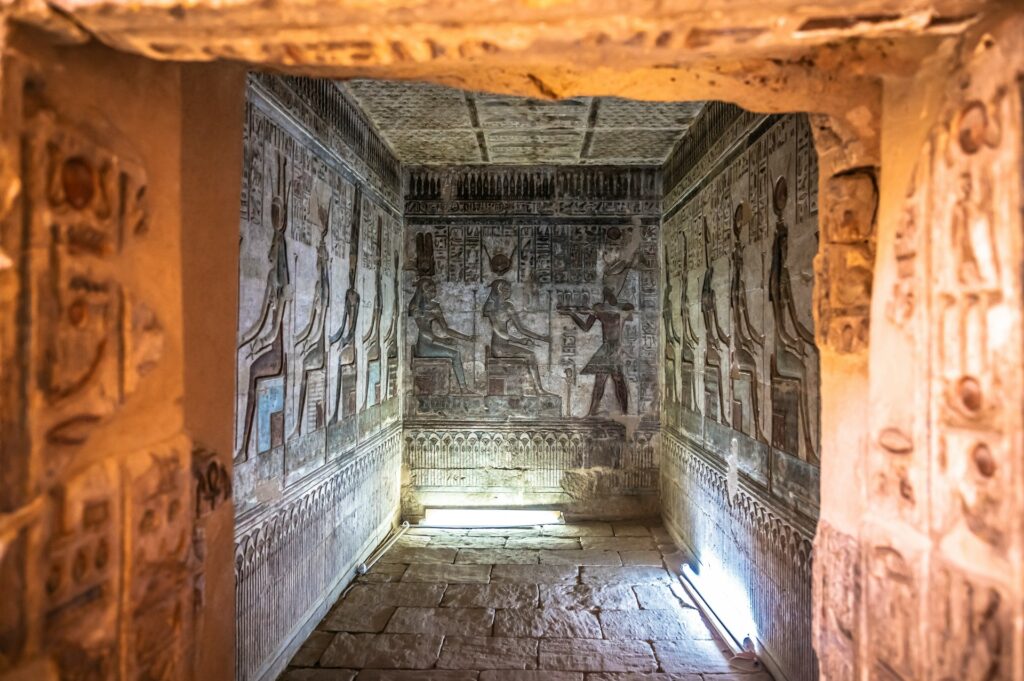
Egypt developed its own civilization independently along the Nile River, with a unified kingdom forming around 3100 BCE under the first pharaoh, Narmer. Although Egypt and Mesopotamia are geographically close, they developed distinct writing systems, religions, political structures, and artistic traditions entirely on their own. Where Mesopotamia relied on city-states and shifting alliances, Egypt built a centralized theocratic state with the pharaoh as a divine ruler. The Nile’s predictable floods, unlike the violent flooding of the Tigris and Euphrates, produced a more stable agricultural base, which shaped a very different kind of civilization.
The Indus Valley civilization (c. 3300 BCE)
In the region of modern-day Pakistan and northwestern India, the Indus Valley civilization emerged around 3300 BCE. Its cities of Mohenjo-daro and Harappa, which reached their peak between 2800 and 1900 BCE, featured remarkable urban planning with grid-layout streets, advanced drainage systems, and standardized weights and measures. The Indus Script, used from around 2500 BCE onward, has yet to be fully deciphered, which makes this one of the most mysterious of all the cradles.
Ancient China: the Yellow River (c. 1700 BCE)
Along the Yellow River in eastern China, a series of Neolithic cultures gradually consolidated into what became one of the world’s most enduring civilizations. The Erlitou culture, dated to around 1700 BCE, is considered the earliest state-level society in China. From there, the Shang dynasty formalized bronze casting, oracle bone writing, and royal religious ritual, establishing patterns of governance and culture that would persist for millennia.
Mesoamerica: the Olmecs (c. 1500 BCE)
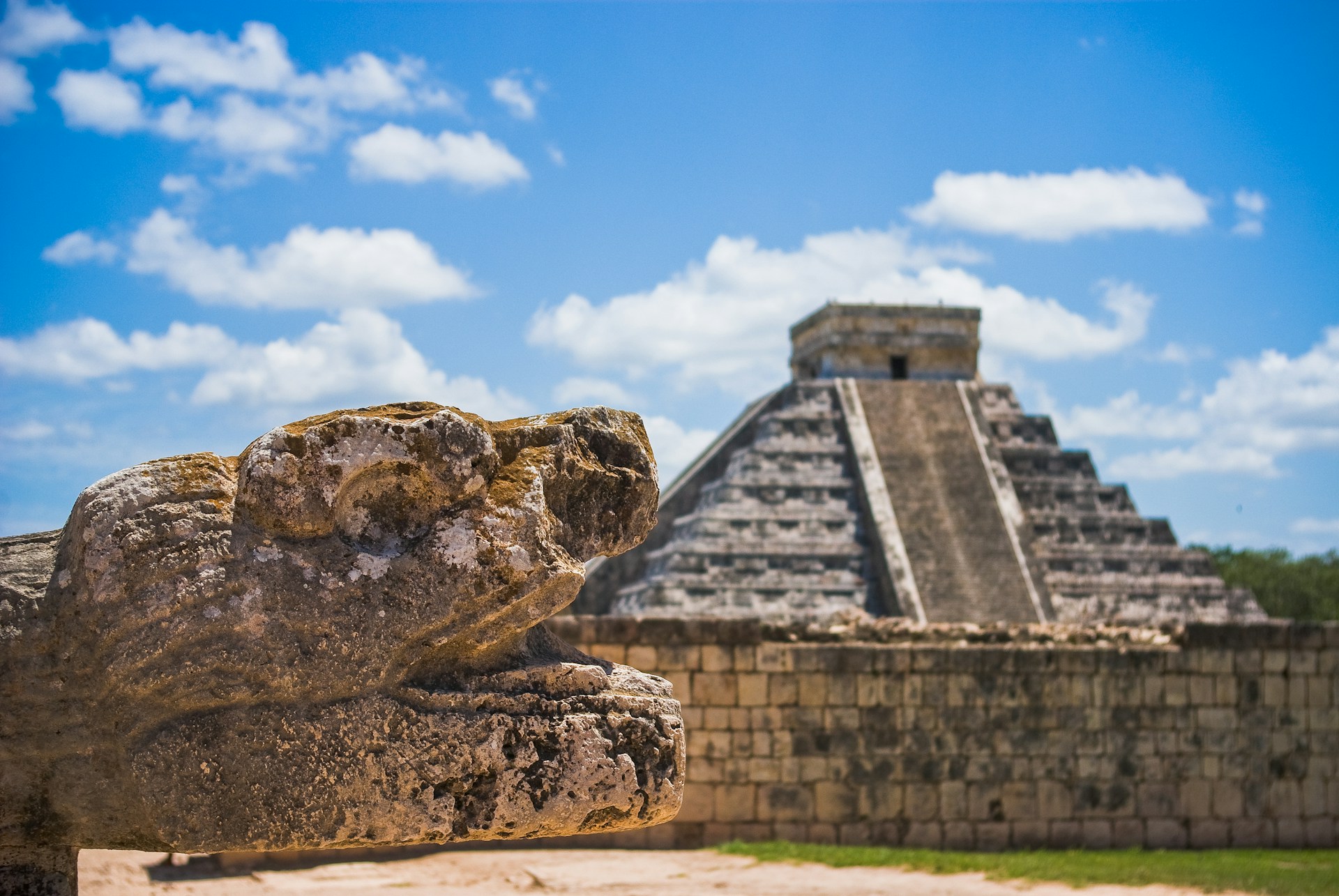
In the tropical lowlands of modern-day Mexico, the Olmec civilization flourished from approximately 1500 to 400 BCE. The Olmecs are considered the mother culture of later Mesoamerican societies, including the Maya and the Aztecs. They developed early writing, a calendar system, monumental sculpture, and a complex religion centered on the jaguar deity. Their trade networks stretched across hundreds of kilometers, linking distant regions of Mesoamerica long before any European contact.
Norte Chico, Peru (c. 3500 BCE)
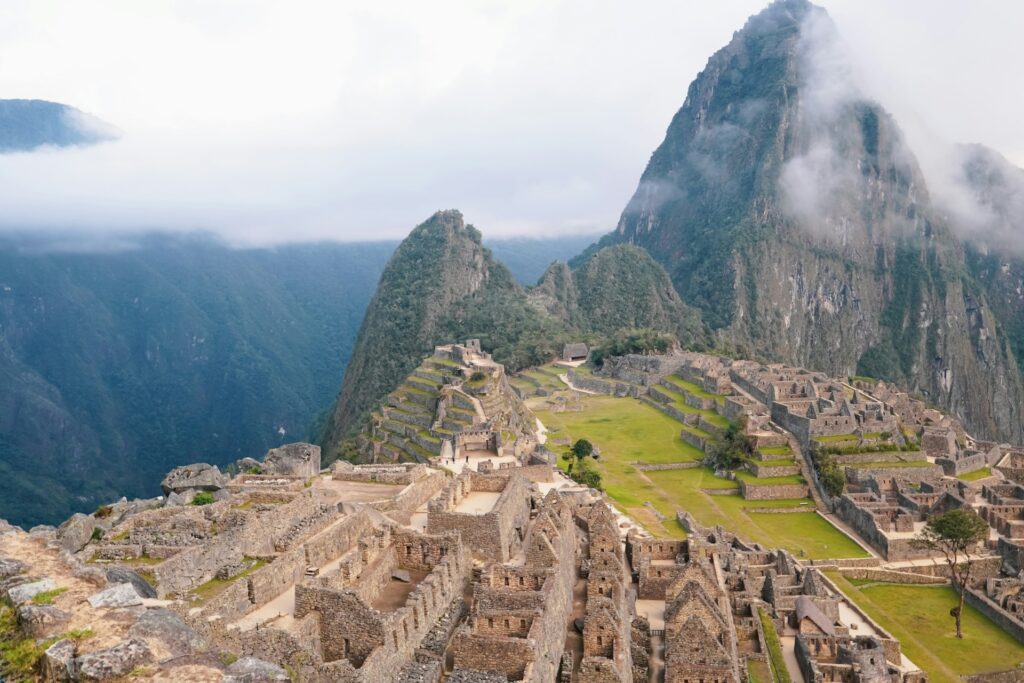
The Norte Chico or Caral-Supe civilization in coastal Peru is the oldest known civilization in the Americas, with urban complexes dated to around 3500 BCE. The city of Caral contained large platform mounds, amphitheaters, and residential complexes built through organized collective labor. Interestingly, Norte Chico appears to have developed without a formal writing system, which challenges some traditional definitions and shows that the path to civilization can take more than one form.
Why Europe does not have a cradle of civilization
The absence of a European cradle often surprises people, especially given the later prominence of Greece and Rome. To understand this, one must realize that the mere existence of cities is not a sufficient requirement for this classification. Dense settlements can form simply due to ritual sites, trade opportunities or defense needs. A cradle requires the independent creation of the entire matrix of civilization, including writing, specialized state administration, and distinct technological systems from scratch.
These societies achieved extraordinary cultural heights, yet they did not invent the foundations of civilization independently. Instead, they inherited alphabet systems from the Phoenicians, architectural techniques from the Egyptians, and legal concepts from the Near East. They expanded upon existing ideas rather than generating them originally.
Societal pillars: religion, politics and education
The rise of these cradles also depended heavily on deeply interconnected social structures. Religion served as a vital tool for social cohesion and political control. Early rulers often claimed divine status or acted as chief priests, which legitimized their authority over the populace. Consequently, political systems transformed from informal tribal leadership into highly structured state bureaucracies with codified laws.
Education became essential as administrative needs expanded. Specialized schools emerged to train scribes in the complex arts of writing and mathematics. These educated individuals managed grain storehouses, tracked taxes, and maintained historical archives. Meanwhile, trade networks expanded rapidly beyond local borders. The cradles exchanged luxury items and essential raw materials with distant lands, which stimulated economic wealth and fostered early international relations.
How civilization spread across the globe
The foundational innovations created within these six original cradles did not remain isolated forever. Over many centuries, these regions acted as cultural epicenters from which complex societal models radiated outward. Through migration, military conquest, and expanding maritime and overland trade routes, neighboring populations adopted these structural systems. Societies across Europe, Asia, Africa, and the Americas gradually integrated writing, centralized governance, and advanced agriculture into their own traditions. Therefore, the sparks that ignited in these ancient river valleys and coastal plains ultimately laid the groundwork for the modern globalized world.