Why Olive Oil Was So Valuable in Antiquity
Human beings have long assigned extraordinary value to simple things. We have already written about how salt turned seasonal abundance into storable surplus. We have also explored how the domestication of grain build the first cities. Yet not every vital substance of antiquity came from the soil or the mine. Some grew slowly on gnarled, silver-leafed trees that lived for centuries, patiently waiting to be pressed into something extraordinary.
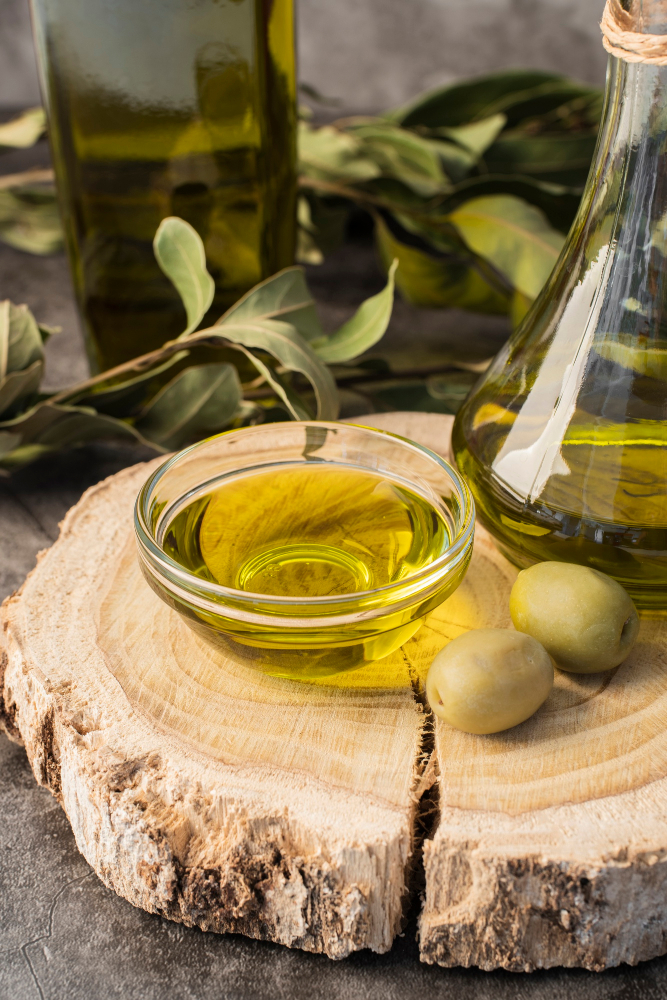
Few natural substances held as much power, prestige, and practical purpose as the pale green oil pressed from a humble Mediterranean fruit. Olive oil was food, medicine, fuel, and sacred offering all at once. Its story reaches back thousands of years and cuts across nearly every major civilization of the ancient world.
What is the olive tree?
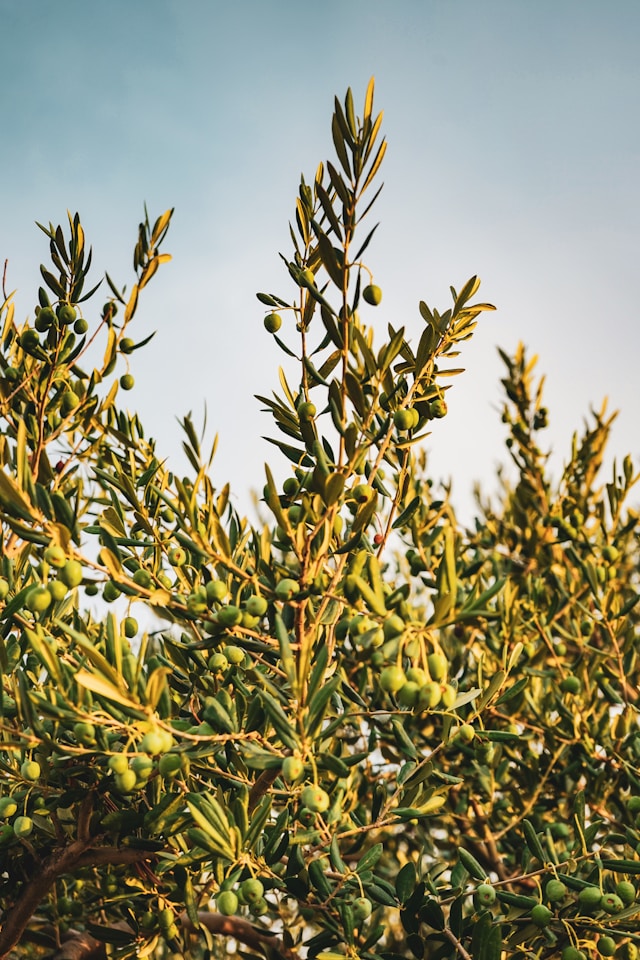
The olive tree, known scientifically as Olea europaea, is a slow-growing, drought-resistant evergreen native to the eastern Mediterranean region. It produces small, bitter fruits called olives, which range in color from green to black depending on their ripeness. The tree itself is remarkably long-lived. Specimens can survive for thousands of years, and many ancient groves in Greece, Turkey, and Palestine are thought to be over two millennia old.
Wild olive trees originally spread across Asia Minor, the region encompassing modern-day Turkey and the Levant. Research published in 2019 confirms that the southern Levant served as the primary locus of olive cultivation as early as 6,500 years ago, and that a parallel or derivative cultivation process appeared in Crete and the Aegean by the early sixth millennium before the present. From those two epicenters, cultivated olive growing gradually fanned outward across the Mediterranean basin over the following millennia.
The first cultivators
The earliest evidence of olive oil production dates to roughly 6000 BCE in the eastern coastal regions of the Mediterranean. The wild fruit was thin, small, and notably bitter. Farmers on the border between present-day Turkey and Syria appear to have been the first to select larger, oil-rich varieties through deliberate cultivation, essentially domesticating the tree over many generations.
By approximately 2500 BCE, olives were being cultivated on the island of Crete, home to the Minoan civilization. The Minoans understood oil’s economic and diplomatic potential early. Massive storage systems at the palace complex of Knossos held enormous clay jars called pithoi, capable of storing thousands of liters of oil. This surplus became one of the foundations of early Mediterranean trade. By 2000 BCE, dynastic Egypt was already importing olive oil from Crete, Syria, and Canaan, treating it as a luxury among the wealthy and powerful.
A substance with countless uses
Ancient societies utilized olive oil for an astonishing variety of daily purposes, making it an indispensable part of their existence. In the culinary sphere, it served as the primary source of dietary fat for millions of people across the Mediterranean basin. It formed the foundation of the Mediterranean diet alongside wheat and wine. Families used it to fry fish, dress boiled vegetables, and bake early flatbreads. It effectively replaced animal fats like butter, which spoiled quickly in hot climates.
Beyond direct consumption, olive oil acted as a vital medium for food preservation. Immersing fish, cheeses, meats, and herbs in oil excluded oxygen and prevented bacterial spoilage. This technique allowed communities to store perishable food supplies safely for long winter months.
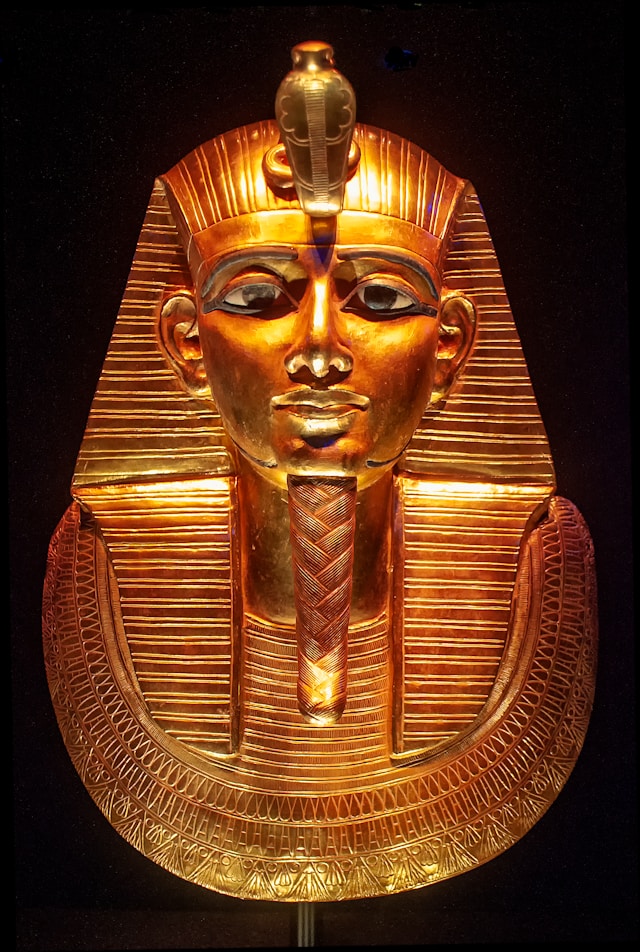
For lighting, olive oil was essentially irreplaceable. It burned cleanly and steadily, making it the primary fuel for oil lamps in homes, temples, and public spaces across Greece, Rome, and the broader Mediterranean. Its religious and ritual significance was equally profound. Hebrew scriptures describe the use of olive oil to consecrate priests and kings, including David and Solomon, as well as sacred objects. In ancient Egypt, olive oil appeared in pharaonic tombs as an offering to the gods and played a role in mummification rituals.
For hygiene and body care, the Greeks and Romans used olive oil in place of soap. A visit to the public baths was considered incomplete without applying oil to the skin and then scraping it away with a curved metal instrument called a strigil. The Greeks also used it as a base for medicinal ointments, treating wounds, burns, and muscle pain. A Hittite text from the mid-second millennium BCE describes the anointing of newborns and their mothers to protect against the dangers of childbirth.
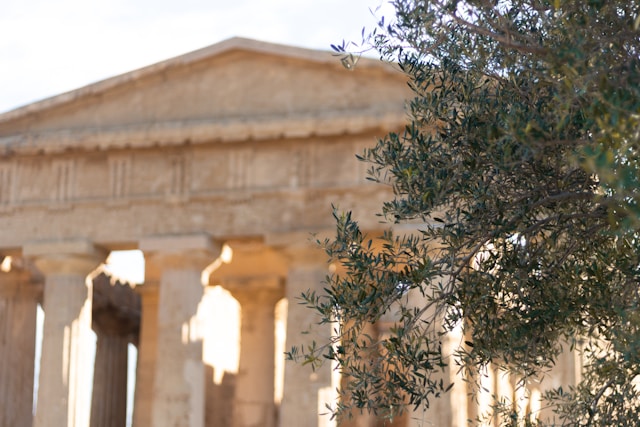
Why olive oil was so valuable
The labor required to produce even a small quantity of olive oil was enormous. An olive tree takes years to bear fruit, and trees had to be tended carefully across generations. This long-term investment, combined with the oil’s remarkable versatility, made olive oil one of the most valuable commodities in the ancient world. It functioned similarly to currency, and merchants frequently used it to pay taxes, settle trade debts, or reward soldiers.
The high value of olive oil encouraged the growth of specialized production centers throughout the Mediterranean. These centers shifted over time as political and economic power changed hands. Crete dominated output during the Bronze Age, roughly 3000 to 1200 BCE. After the Minoan decline, Greece emerged as the primary producer. Olive oil was among the most exported commodities from Greece between 1600 and 1100 BCE. Athens, under its protective goddess Athena, whose sacred tree was the olive, built much of its classical wealth on the oil trade. Winners of the Olympic Games received amphorae filled with oil from the sacred groves near Athens alongside their laurel wreaths.
As Mediterranean trade networks expanded, the Romans eventually industrialized olive oil production to an extraordinary scale. The Roman province of Baetica, encompassing much of modern Andalusia in Spain, became one of the empire’s largest exporters, sending oil north to Rome, Britannia, and Germania. North Africa, particularly the regions of modern-day Tunisia and Libya, also became prolific producers under Roman administration. Oil traveled aboard large merchant vessels in standardized ceramic amphorae, creating one of antiquity’s earliest recognizable shipping systems.
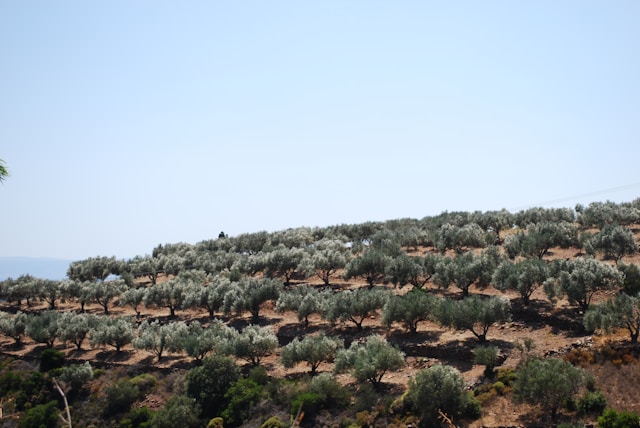
The technology behind the industry
Early olive oil production was rudimentary. The first approach was simply to crush olives in a mortar, add hot water, and skim the oil that rose to the surface. This method was slow and wasteful. Over time, workers developed a more efficient system using large flat stones to grind the fruit into a paste.
The major technological breakthrough came with the invention of the lever press. Olive paste was packed into woven mats or canvas bags, and these were then stacked and pressed by a heavy beam anchored at one end and loaded with stones at the other. The mechanical advantage of the lever significantly increased oil yield. Later, Greek and Roman engineers replaced the weighted beam with a large wooden screw, applying the principles attributed to Archimedes. The screw press allowed continuous, controlled pressure and marked a genuine industrial leap. Roman workshops eventually employed multiple presses operating simultaneously, enabling the large-scale production that supplied an empire of millions.
After pressing, the liquid mixture of oil and water was left in large stone vats to settle. Because oil is lighter than water, it rose naturally to the surface and could be skimmed off. This decantation process was the final step before the oil was sealed into amphorae for storage or transport. Roman engineers standardized the shapes and capacities of these containers, making inventory and trade far more manageable.
From the Mediterranean to the world
The olive tree and its oil spread through commerce, conquest, and colonization. Phoenician traders, active from roughly 1500 to 300 BCE, introduced olive cultivation to Iberian cities and Etruscan settlements. Roman expansion then accelerated this diffusion across North Africa, the Iberian Peninsula, and eventually into northern Europe, where the climate limited cultivation but demand for the oil remained steady.
After the fall of Rome in the 5th century CE, the knowledge and culture of olive oil was preserved by monastic estates and church communities. Records from the 6th century describe donations of olive groves to ecclesiastical institutions, ensuring continuity through the early medieval period. From there, Arab agriculturalists carried the olive across the Middle East and North Africa. Spanish and Portuguese colonizers eventually transplanted it to the Americas in the 16th century, establishing groves in Peru, Chile, Argentina, California, and Mexico. What had once nourished the households of Bronze Age Crete had, across thousands of years of trade, religion, and human ambition, become truly a global crop.