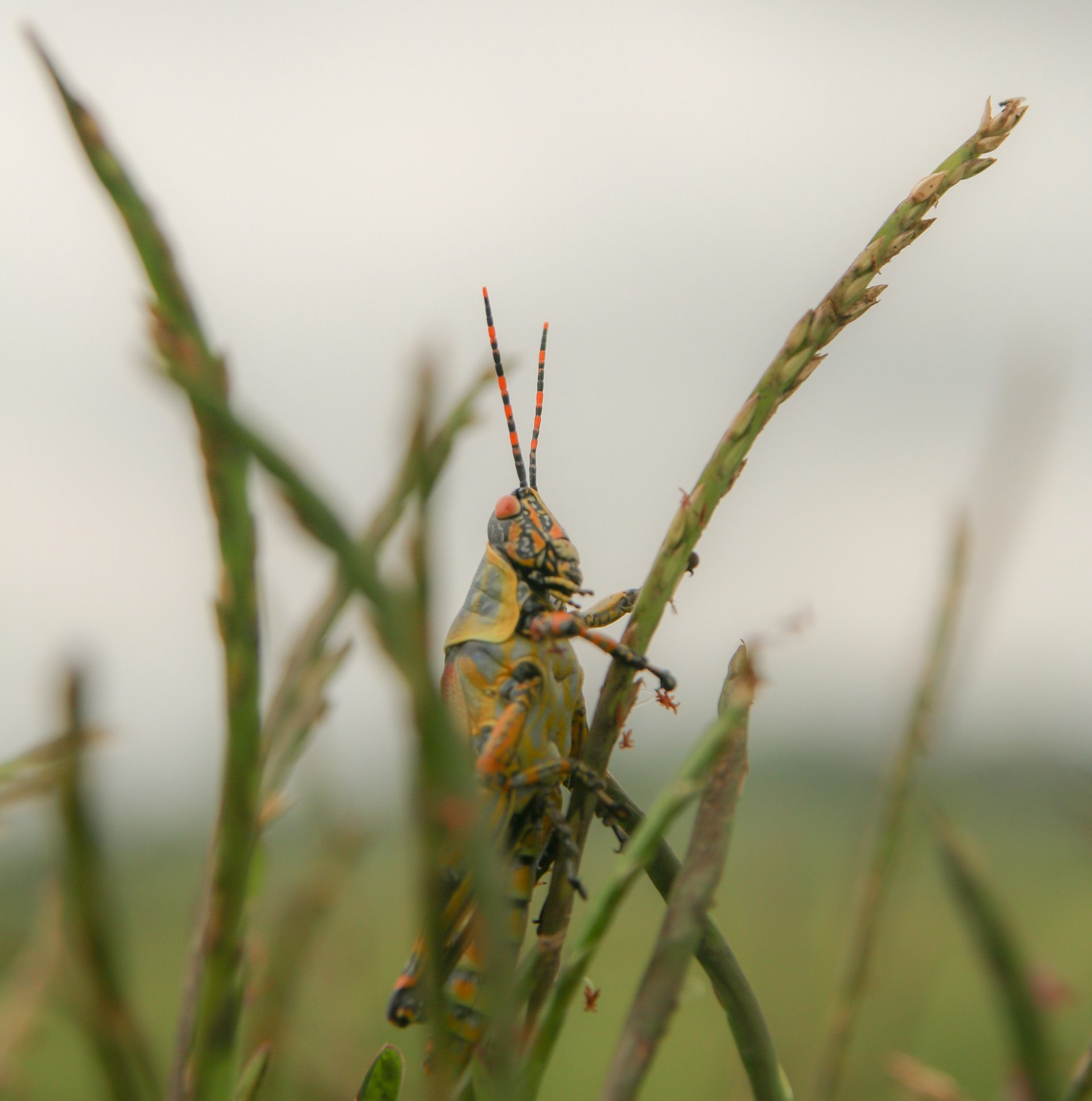
How humans learned to control nature: the story of pesticides and herbicides
Farming is ancient. As soon as our ancestors stopped gathering wild grains and started planting them, they entered a silent war. They were fighting against insects that devoured their harvests and weeds that choked their crops. A bad season meant starvation. This struggle led to the invention of pesticides and herbicides. These chemical tools transformed how we feed the world. Today, we take food security for granted, but this was only possible through centuries of experimentation and discovery.
The ancient roots of pest control
Ancient civilizations were the first to notice that certain natural substances could repel or kill invaders. Approximately 4,500 years ago, the Sumerians in Mesopotamia discovered that sulfur could kill insects and mites. This represents one of the earliest recorded uses of a chemical pesticide.
Similarly, the ancient Chinese were pioneers in chemical engineering. By 1200 BC, they were using mercury and arsenic compounds to control body lice and other pests. A little later, they discovered that chrysanthemum flowers contained a substance called pyrethrum, an extract that paralyzes and kills insects on contact.
Meanwhile, the ancient Greeks and Romans took a different approach. Farmers in those civilizations burned specific plants and let the smoke drift across their fields. They noticed that certain plant smokes repelled insects without damaging the crops. Some Roman farmers also used crushed olive pits, which yielded an oil called Amurea — one of the earliest botanical pesticides on record. They also discovered that salt could prevent plant growth. While they sometimes used salt to destroy the fields of their enemies, this practice helped them understand how substances inhibit plant life.

Why pest control became necessary
The necessity for pesticides and herbicides arose from the vulnerability of settled farming. When humans lived as hunter-gatherers, they moved when resources became scarce. However, once we began living in permanent settlements, a single pest infestation could cause a famine.
Furthermore, as populations grew, the demand for high-yield crops increased. Monocultures, where large areas are planted with a single crop, became common. While this was efficient for harvesting, it created a massive buffet for specific insects. Without intervention, a single swarm of locusts or a fungal blight could wipe out an entire civilization’s food supply. Therefore, inventing ways to kill pests without killing the crops became a matter of survival.
Weeds added a second layer of pressure. Wild plants competed with crops for soil nutrients, water, and sunlight. Early farmers had to clear fields by hand, a slow and exhausting process. As farming scaled up, so did the demand for faster methods.
How pesticides and herbicides actually work
The most significant breakthrough in agricultural chemistry was the discovery of selectivity. Pesticides work by targeting biological systems that are essential to the pest but not to the crop. Sulfur, for example, disrupts the metabolism of insects and fungi. Pyrethrum attacks the nervous system of insects, causing rapid paralysis and death.
In the 19th and 20th centuries, scientists began to synthesize these effects in labs. They looked for metabolic pathways that operate differently in weeds versus crops. When Monsanto chemist John E. Franz discovered glyphosate’s weed-killing properties in 1970, he found a molecule that blocks a specific enzyme essential to plant growth. Crops resistant to this enzyme survived. Weeds did not.
Selectivity is the central idea behind all of it. A pesticide or herbicide becomes agriculturally useful only when it harms the target more than the crop.
The inventions that came first
Before modern pesticides could exist, chemistry had to mature as a discipline. Before large-scale herbicide production, industrial manufacturing had to emerge.
Two inventions in particular made everything else possible. First came fermentation technology. Ancient civilizations discovered early that microbes could transform raw materials into useful compounds. This same principle, using biological processes to produce chemical substances, later guided how pharmaceutical and agricultural chemists manufactured plant-derived pesticides at scale. Additionally, the rise of the microscope allowed scientists to see the pests they were fighting. They could finally identify fungi and microscopic mites that were previously invisible. This led to the development of fungicides.
Second came the industrial revolution. The ability to synthesize chemicals in bulk, control reactions under heat and pressure, and transport products across large distances transformed what was achievable. By the early 20th century, chemical plants could produce pesticides in quantities large enough to treat thousands of acres at a time. This meant a discovery in one part of the world could be manufactured and sold across the globe.

The role of fertilizer and caffeine
The production of these chemicals is closely linked to other biological processes. Fertilizers provided the nutritional foundation that made crops strong enough to withstand minor damage. In association with the plow it created stronger plants, that were harder for pests to overwhelm.
Interestingly, caffeine played a role in our understanding of natural defenses. Plants originally evolved caffeine as a natural insecticide to paralyze or kill bugs that tried to eat their seeds. Scientists studied these natural alkaloid defenses to create synthetic versions that were more stable for farm use. Consequently, the morning coffee we enjoy is actually a refined version of an ancient botanical pesticide.
The 20th century breakthroughs
To understand the success of pesticides, we must also look at the invention of synthetic fertilizer. This invention was driven by the social conditions of the late 19th century. Europe was facing a “nitrogen crisis.” The soil was becoming exhausted, and the population was exploding.
The German chemists Fritz Haber and Carl Bosch developed the technology to pull nitrogen from the air to create ammonia. This process required massive industrial pressure and high temperatures. This technological leap was made possible by the Industrial Revolution and the availability of coal for energy.
The social necessity of the time forced governments to invest heavily in this research. This led to a new era of “input-heavy” farming. Because fertilizers made plants grow lush and green, they also made them more attractive to pests. Therefore, the invention of synthetic fertilizer directly necessitated the simultaneous advancement of more powerful pesticides.
The most dramatic leap in pesticide history came in 1939, when Swiss chemist Paul Müller discovered that DDT — dichlorodiphenyltrichloroethane — was extraordinarily effective at killing insects. It killed mosquitoes, lice, and crop pests with equal efficiency. The results were so significant that Müller received the Nobel Prize in Physiology or Medicine in 1948.
While killing insects was an ancient practice, the targeted destruction of weeds took longer to perfect. In the early days, weeding was done entirely by hand. This was the most labor-intensive part of farming. The invention of 2,4-D during World War II changed it.
Scientists discovered that certain synthetic hormones could make broadleaf weeds grow so fast that they literally grew themselves to death. Because grasses and grains like wheat and corn are not broadleaf plants, they were unaffected. This was a revolutionary moment. For the first time, farmers could spray an entire wheat or corn field and watch the weeds die without losing the crop.
The essential nature of the invention
It is difficult to overstate how essential these inventions were for the modern world. Without pesticides and herbicides, global food production would likely drop by 30 to 40 percent. This would lead to massive price spikes and widespread hunger. While modern society now focuses on making these chemicals safer and more sustainable, we must recognize their historical importance.
From the sulfur pits of ancient Sumer to the high-tech laboratories of today, the quest to protect our food continues. Each discovery builds on the last, ensuring that we can feed a growing planet. By understanding this history, we can better appreciate the complex science that goes into every meal we eat.