How prehistoric trade connected distant human communities
Long before coins existed, long before merchants kept ledgers, and long before cities rose from the plains of Mesopotamia, people were already trading. They crossed mountains, navigated rivers, and walked hundreds of miles to swap goods with strangers. Although these early exchanges left no written records, archaeology reveals a complex web of routes and relationships that stretched across continents.
This post explores how trade began, what goods mattered most, and how people managed exchange without money or writing. It also looks at the communities that built early trade networks and explains why trade held ritual and religious meaning.
How human trade began in the stone age
Trade is arguably as old as modern human behavior. Researcher Peter Watson traces the history of long-distance commerce back roughly 150,000 years. The earliest exchanges likely happened through what anthropologists call a “gift economy.” In that system, people shared goods and services without expecting an immediate, equivalent return. Over time, those informal gifts turned into something more deliberate and structured.
The oldest hard evidence of long-distance exchange comes from the movement of raw materials. Ochre, shells, and most importantly obsidian, a black volcanic glass, began appearing far from their geological sources.
Goods that mattered in the prehistoric world
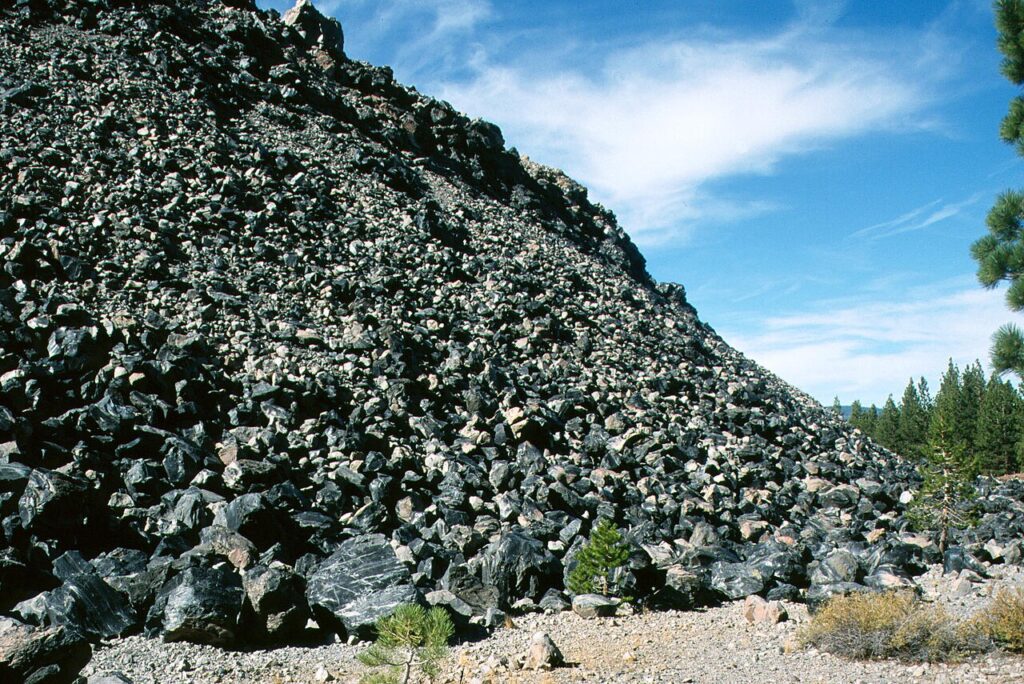
Obsidian was the most prized material in the prehistoric world. It formed when felsic lava cooled rapidly, creating a glass that could be broken into razor-sharp edges. For hunter-gatherers and early farmers alike, those edges made ideal cutting tools and weapons. Consequently, obsidian was worth carrying over great distances.
Food was traded as well, especially dried meat, grains, or fermented products. In some regions, salt became a vital trade good because of its role in preservation and health. Human bodies require salt to function properly, especially when the diet consists mainly of plants. Furthermore, salt allowed people to preserve meat for long periods. This capability meant that tribes could survive harsh winters or long journeys. Because salt was difficult to find in many inland areas, it became a primary driver of prehistoric commerce. We can still find traces of these salt paths across Europe and Africa today.
Other common trade items included flint, jade, amber, shells, and ochre. Cowrie shells, in particular, also played a massive role in early exchange systems. Archaeologists have found Mediterranean shells in sites deep within Central Europe. Similarly, shells from the Indian Ocean have appeared in the mountains of Asia. These items served as early forms of status symbols. They proved that a group had the connections and resources to obtain goods from the edge of the world. Through these simple exchanges, the first maps of the world began to take shape in the minds of our ancestors.
Trade without writing or coinage
The absence of writing and coinage did not prevent prehistoric peoples from developing clever systems to support trade. Instead, they built on trust, memory, and physical tokens. Reputation mattered greatly. A group known for fairness was more likely to maintain long-term trade relationships.
One of the most remarkable innovations was the clay token. Beginning at least as far back as 7,500 BCE, Neolithic peoples in the Near East recorded agricultural goods using small geometric clay objects. A cone might represent a small jar of oil. A sphere might stand for grain. These tokens were a form of accounting, a way to track debts and agreements before any alphabet existed.
Additionally, barter served as the foundational mechanism of exchange. Two farmers, or a farmer and a craftsman, could swap goods directly based on perceived value. When direct barter became too cumbersome, commodity money stepped in. Goods like cattle, salt, and grain gained universal acceptance because of their practical value. Across much of the world, cowrie shells performed a similar role, durable enough to resist counterfeiting and recognizable enough to function as proto-currency.
Together, these tools, tokens, barter agreements, and commodity money, formed a surprisingly sophisticated commercial infrastructure long before any formal monetary system appeared.

Tools and methods for moving goods
The success of prehistoric trade depended on the development of clever technologies. Before the wheel or the sail became common, humans relied on their own strength and the help of nature. In snowy regions, people used wooden sleds to transport heavy loads across the tundra. In warmer climates, they developed the dugout canoe. These simple boats allowed tribes to move goods along river systems and coastal routes. Water travel was much faster than walking through dense forests or rugged hills. Therefore, many of the earliest trade hubs appeared at the junctions of major rivers.
As time passed, the domestication of animals revolutionized the way people moved goods. In the Near East and North Africa, the use of donkeys and later camels allowed for the crossing of vast deserts. These animals could carry significant weight over long distances without needing constant water. This development made it possible to link distant oases and create stable corridors of commerce. In addition, the invention of the travois, which was a frame dragged behind an animal, increased the amount of cargo a single group could manage.
The peoples who linked the prehistoric world
Specific groups of people became known as the masters of prehistoric trade. In the Levant, the Natufian culture developed early settled communities that traded extensively in obsidian and basalt. They acted as a bridge between the resources of the north and the growing populations of the south. As farming spread, major sites like Çatalhöyük in Anatolia and Ain Ghazal in the Levant became important hubs for regional exchange.
In the Pacific Ocean, the Lapita people showed incredible maritime skills. They traveled across thousands of miles of open sea in outrigger canoes. They carried obsidian and pottery from one island to another, creating a massive cultural web across the islands.
In North America, the Hopewell tradition created a massive exchange network that spanned the continent. They moved copper from the Great Lakes and grizzly bear teeth from the Rocky Mountains. They also traded mica from the Appalachians and shells from the Gulf of Mexico. These people were not part of a single empire. Instead, they were a collection of independent tribes connected by a shared desire for rare materials. This network was essential for spreading new agricultural techniques and artistic styles across different regions.
Trade, ritual, and religion
Trade and religion were deeply intertwined in prehistoric societies. Exotic goods often held spiritual significance alongside their practical uses. For example, amber from the Baltic Sea was highly prized for its golden color and its ability to hold a static charge. People believed it possessed magical properties. As a result, amber traveled along established routes to be used in amulets and funerary rites across the Mediterranean.

As the Neolithic period progressed and farming communities became more complex, ritual life grew with them. Religion increasingly revolved around the harvest, and a “spiritual aristocracy” emerged, made up of people whose social roles blended the sacred and the political. These figures, part shaman, part ruler, helped regulate both ritual and commerce.
Furthermore, sacred sites themselves became nodes in trade networks. Communities gathered for religious ceremonies, and those gatherings also became opportunities for exchange. The distinction between a religious pilgrimage and a trading expedition was often blurry. Both required trust, organization, and the ability to move across the landscape.
The ingredients of early trade success
Several social conditions made the expansion of trade possible during this period. The most important factor was the development of social trust. Trading with strangers is a risky endeavor. Therefore, early humans developed complex social codes to ensure fair dealing. These codes were often enforced by religious taboos or the threat of social exile. Once a group established a reputation for honesty, they could expand their reach much further. This informal system of credit and reputation was the predecessor to modern legal contracts.
The peoples involved were largely mobile. Hunter-gatherers and early farming communities moved seasonally, following animals, harvests, and waterways. That mobility naturally put them in contact with distant groups. Over generations, those contacts became relationships, and those relationships became trade routes.
The technologies supporting trade, from clay tokens to commodity goods like shells and salt, gave people ways to formalize agreements and store value without a written contract. Even the careful knapping of obsidian into blades was a form of value-added processing, turning raw material into finished goods before transport.
The archaeological record shows that those conditions existed far earlier than most people assume. Trade networks were documented as early as 8,000 BCE, and the social foundations supporting them reach back much further. Prehistoric trade was, above all, a human achievement. It grew from curiosity, need, and the ancient recognition that what one community lacked, another might supply.