
The invention of the compass: the needle that guided the world
For thousands of years, the vastness of the ocean was a barrier. Early mariners were coasters, sailors who rarely let the shoreline slip from their sight. They relied on the…
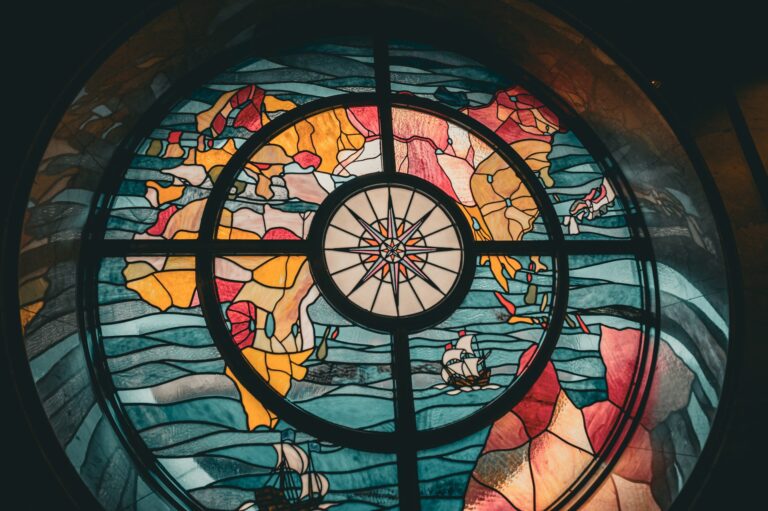
For thousands of years, the vastness of the ocean was a barrier. Early mariners were coasters, sailors who rarely let the shoreline slip from their sight. They relied on the…

For most of human history, the sun dictated our rhythm. We rose with light and rested with darkness. Then came an invisible molecule that would fundamentally rewire our relationship with…
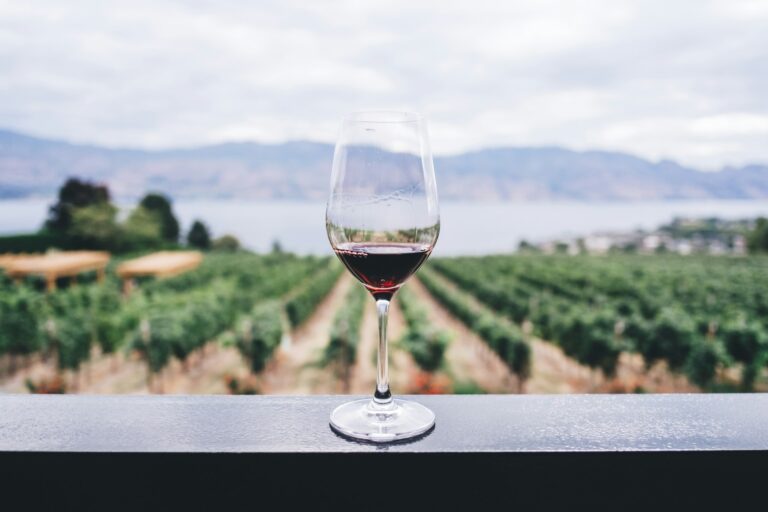
In our last exploration, we looked at how our ancestors mastered the invisible world of microbes to keep hunger at bay through fermentation. They learned to preserve milk, grain, and…

One of humanity’s most brilliant discoveries emerged not in a laboratory, but in accident: fermentation. Imagine, for a moment, a nomadic traveler ten thousand years ago. In a pouch made…
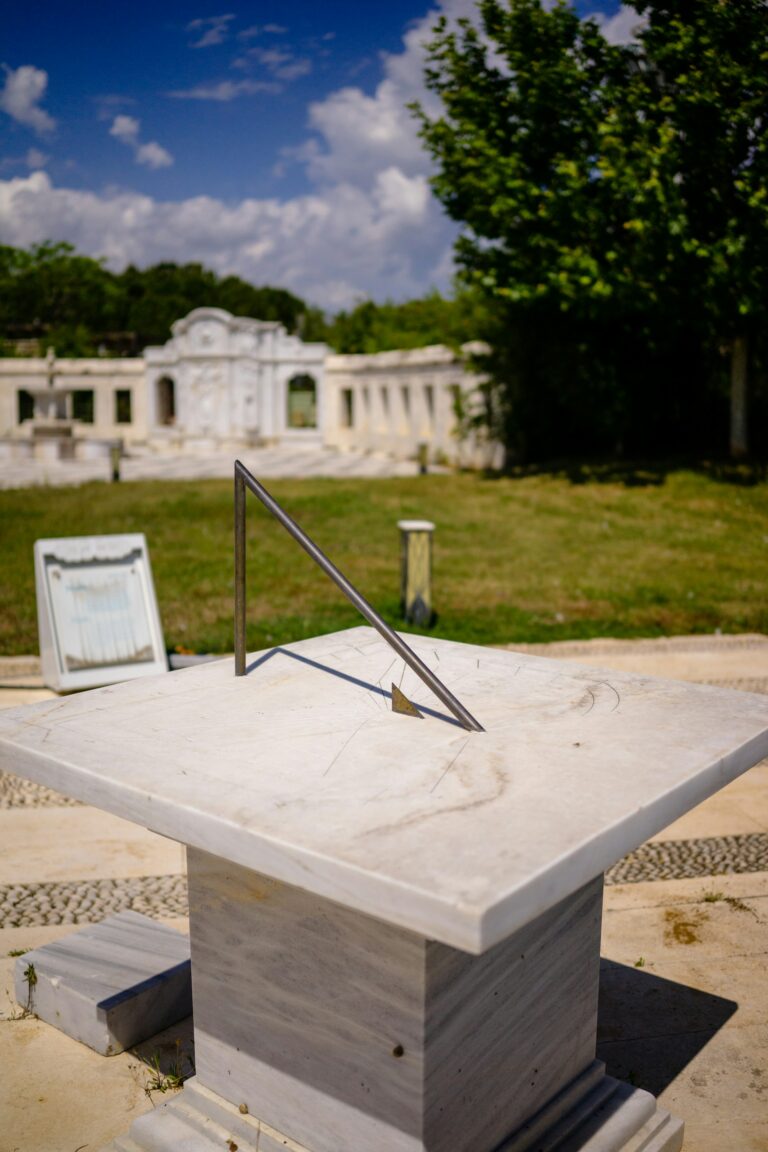
For most of human history, time was not something you “kept”, it was something you lived. But as human societies grew from wandering tribes into complex civilizations, we encountered a…
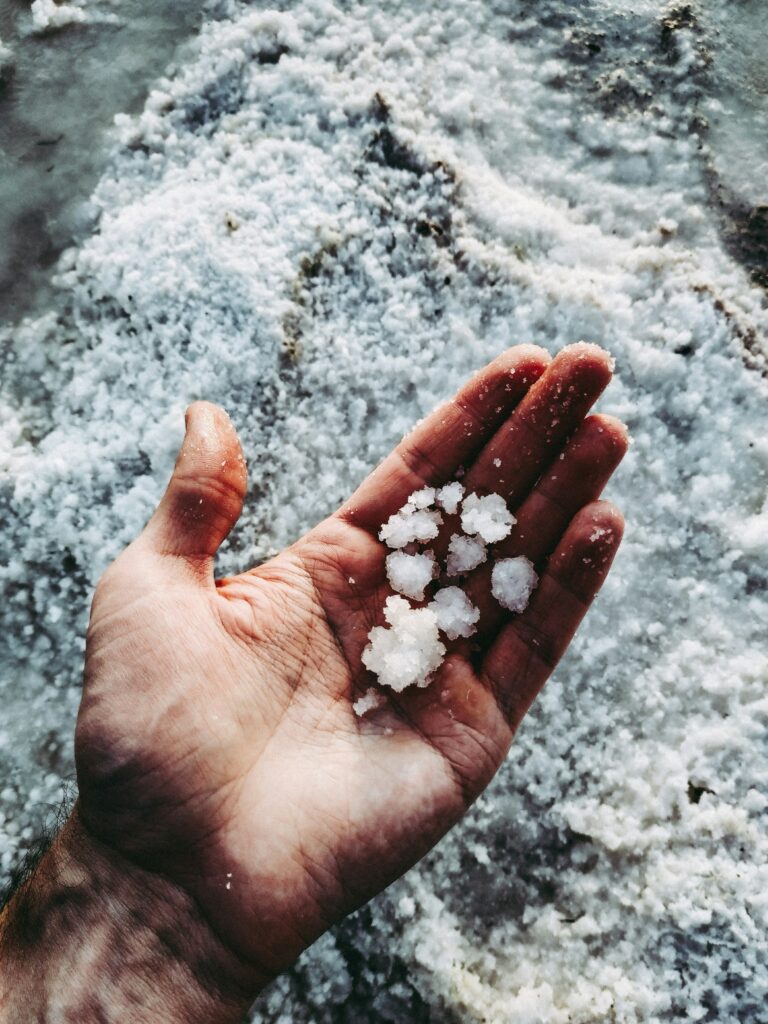
We see salt as a condiment, a way to sharpen the flavor of a steak or add a pinch of zest to a caramel dessert. But if we could peel…

Food storage is as old as civilization itself. The need to keep edible things safe from spoilage, pests, and the rhythms of hunger drove humans to invent methods that would…
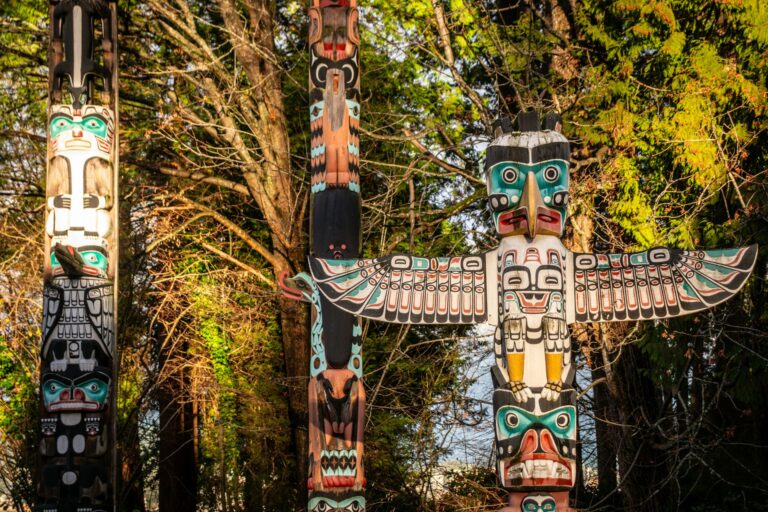
The first human tribes emerged as small, flexible groups of hunter‑gatherers who organized around cooperation, kinship, and shared rituals long before agriculture appeared about 10–12 thousand years ago. These early…
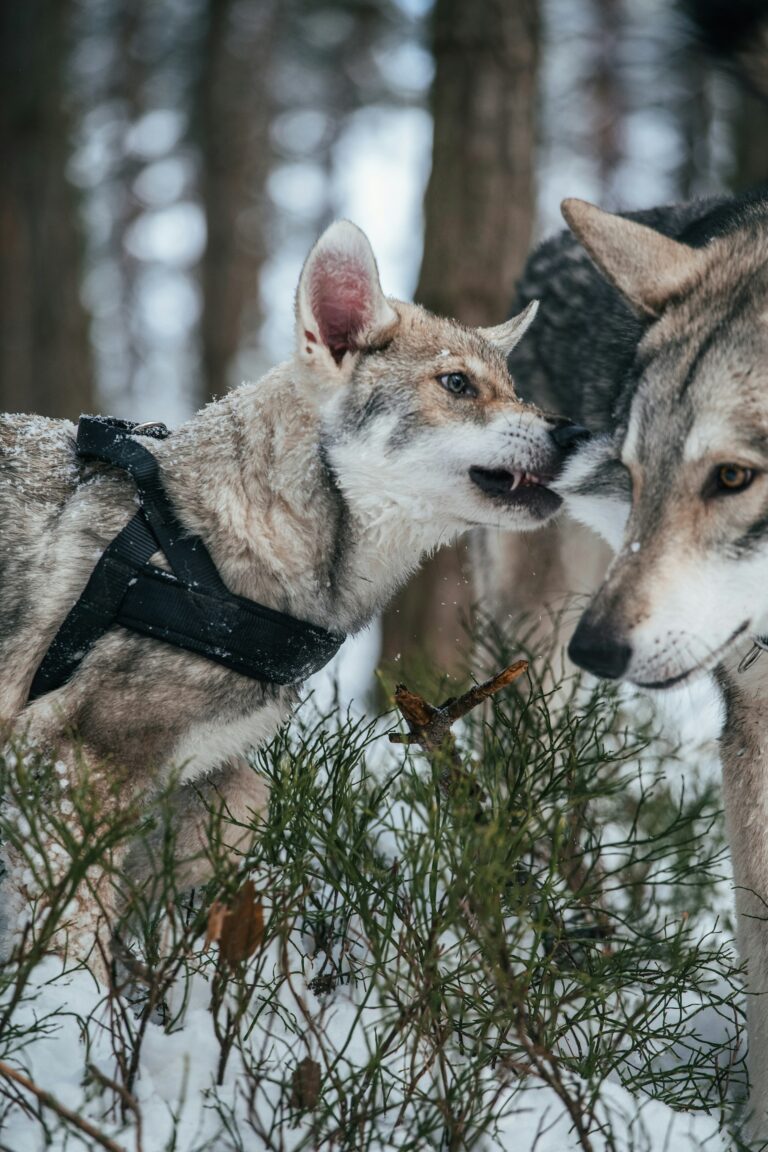
Animal domestication began over 15,000 years ago and fundamentally reshaped human history, enabling stable food supplies, transport, and more complex societies. It did not happen in a single place or…