The black gold of antiquity: how ancient civilizations used petroleum
Long before oil rigs and refineries existed, humanity had already tapped into the Earth’s petroleum reserves. It arrived as seep oil, tar, and pitch-like bitumen that oozed from the ground and collected in pools, cracks, and river edges. For tens of thousands of years, ancient peoples collected, processed, and built entire economies around it. Consequently, petroleum became a cornerstone of early engineering, medicine, and warfare.
When humans first encountered earth’s ooze
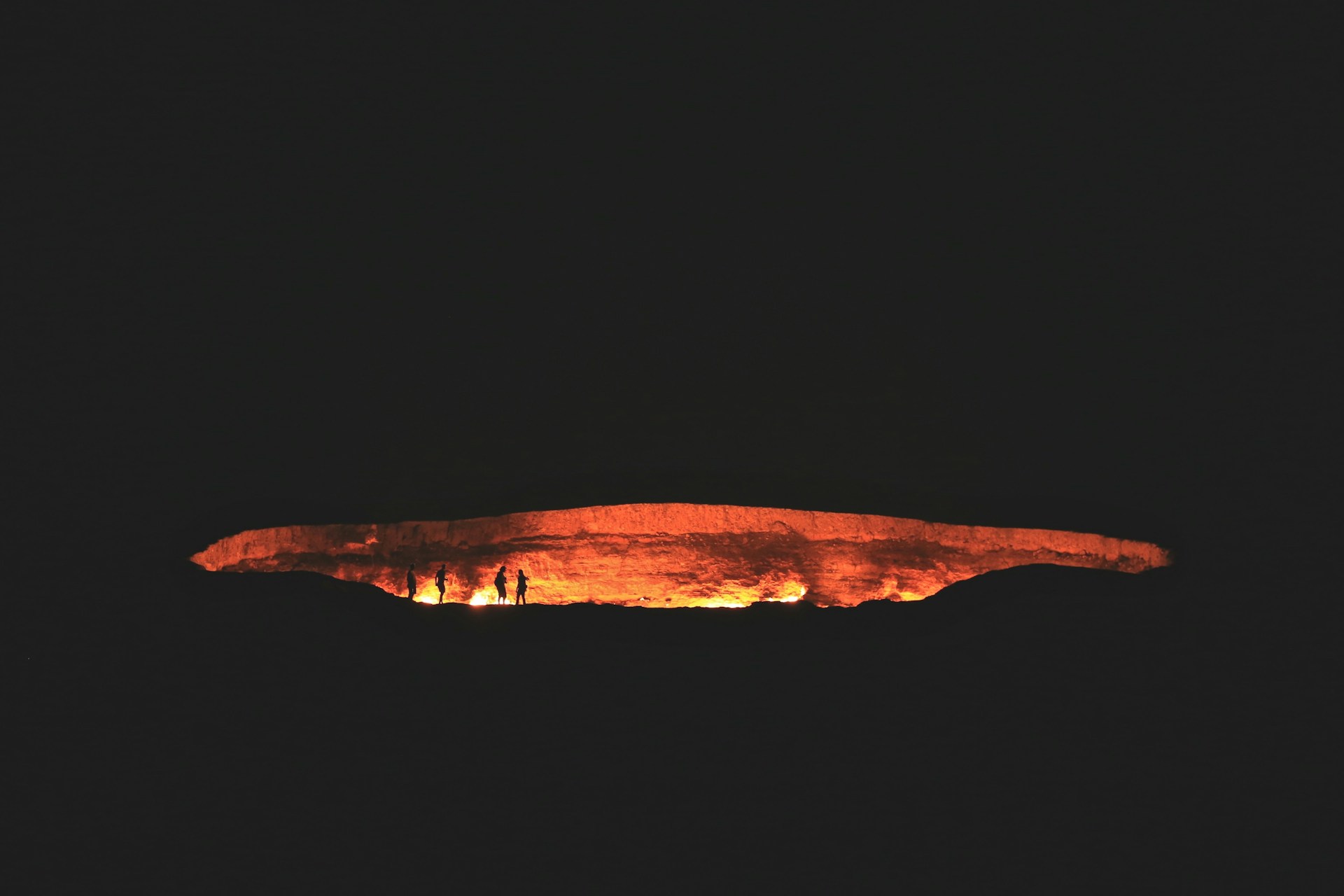
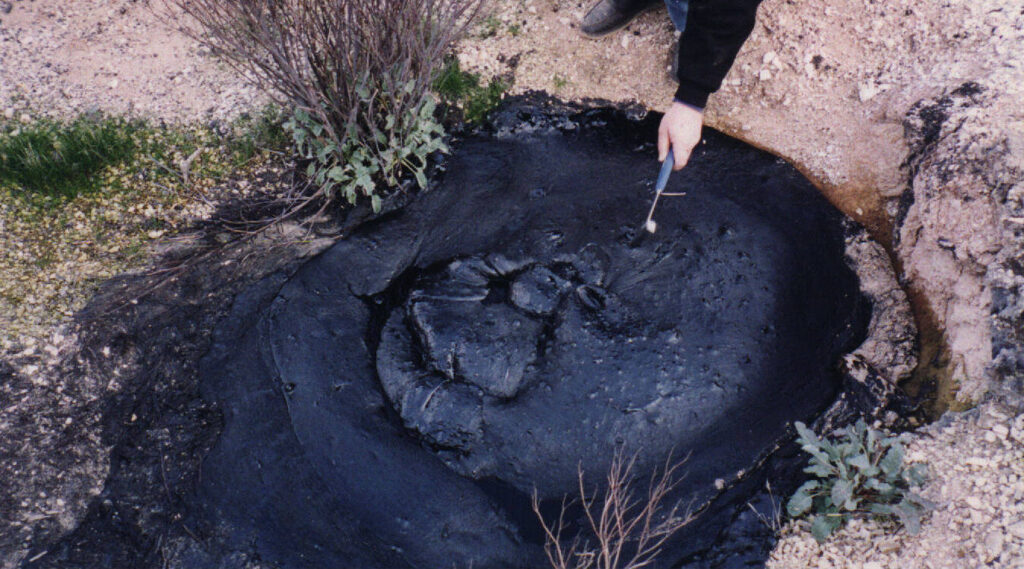
In the ancient world, petroleum did not require deep offshore drilling. Instead, it manifested as natural surface seepages. In regions like modern-day Iraq, Iran, and Azerbaijan, crude oil and bitumen rose through cracks in the crust. These sites often featured “eternal fires” where natural gas escaped and ignited.
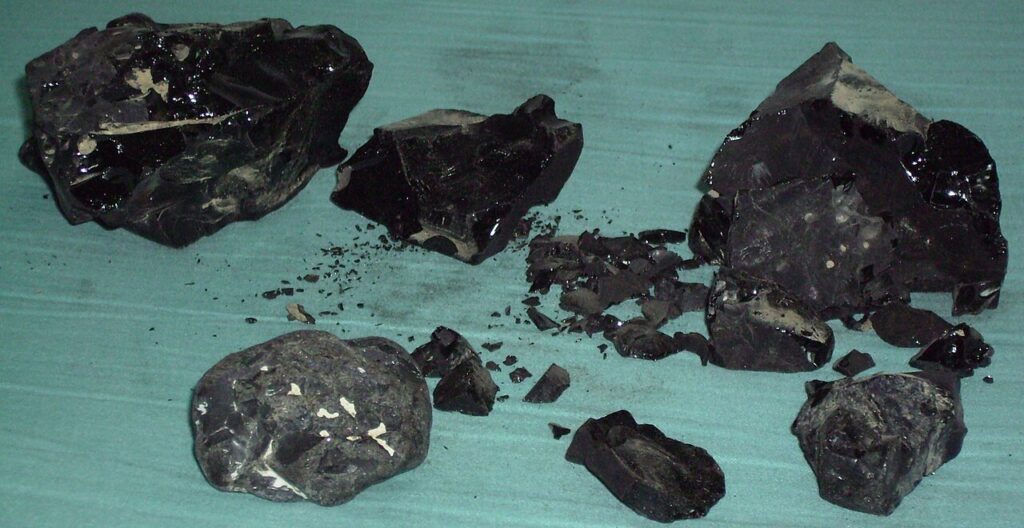
The earliest known use of bitumen dates to approximately 40,000 years ago. Middle Paleolithic Neanderthals collected natural asphalt from seeps and used it as an adhesive. Archaeological evidence from sites such as Gura Cheii Cave in Romania and Umm El Tlel in Syria shows bitumen adhering to stone tools, where it served to fasten wooden or ivory handles to sharp-edged implements.
Understanding the substance
The ancient user of pitch likely did not understand its geological origins, but they certainly understood its unique properties. Petroleum differs fundamentally from the animal fats and vegetable oils that early societies commonly used.
Animal fats and waxes consist of lipids derived from living tissues. These substances break down quickly and often emit a foul odor when stored. In contrast, petroleum is a mineral-based hydrocarbon. It provides a much higher energy density and burns with greater intensity. When heated, petroleum becomes fluid and workable. When cooled, it hardens into a waterproof, durable solid. This chemical stability, combined with its natural adhesive and sealing properties, made it uniquely valuable to ancient engineers and craftsmen across multiple civilizations.
The first processing methods
Ancient peoples developed simple but effective processing techniques based on observation and experimentation. The most basic method was natural evaporation. By collecting liquid crude oil in shallow pits and allowing the sun to bake it, the lighter fractions would evaporate, leaving behind a thicker, more concentrated asphalt .
The method of processing bitumen was nearly universal across cultures. They would heat the material until it liquefied, then add tempers to adjust the consistency. Minerals such as ochre made it thicker. Grasses and vegetable matter added stability. Waxy elements such as pine resin or beeswax made it more viscous.
The architects of the oil age
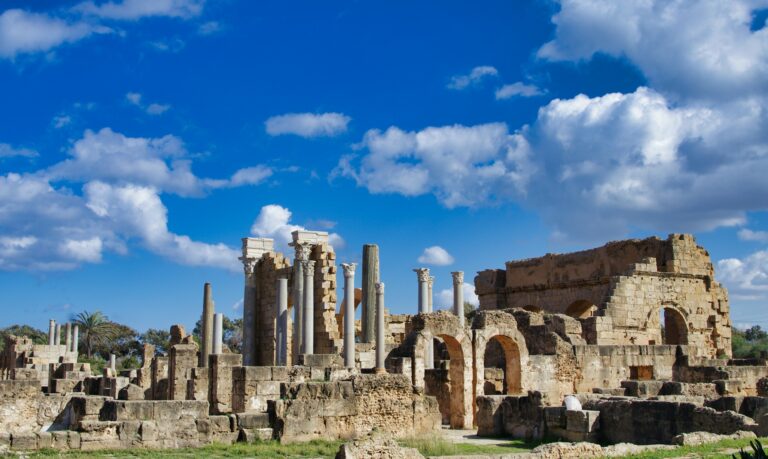
Several civilizations were responsible for turning petroleum into a global commodity. The Sumerians and Babylonians were perhaps the most prolific users. They utilized bitumen as a mortar for their massive ziggurats and city walls. In fact, the legendary Walls of Babylon owed their strength to petroleum-based adhesives. The earliest reed boat discovered to date was coated with bitumen at As-Sabiyah in Kuwait, dated to approximately 5000 BCE.
Ancient Egyptians also valued the substance highly. The use of bitumen in Egyptian mummies became important beginning at the end of the New Kingdom, after approximately 1100 BCE. They used it to preserve bodies. The word “mummy” actually derives from the Persian word mummia, which refers to bitumen. Meanwhile, in the East, the Chinese were pioneers in petroleum technology. They recognized the value of both liquid oil and natural gas for industrial purposes.
The Greeks transformed petroleum knowledge through documentation. Approximately 40 CE, Dioscorides described production of asphaltos in his medical writings. The Romans used bitumen for waterproofing aqueducts, baths, and as a medicinal treatment. They continued the Greek practice of caulking wooden ships with pitch, sealing gaps between planks to prevent leaking.
Diverse applications across civilizations
Building roads and waterproofing cities
The most obvious use of petroleum in the ancient world was in infrastructure. The Babylonians used bitumen to pave their processional ways. This created a smooth, durable surface that could withstand heavy chariot traffic.
Moreover, petroleum was essential for maritime dominance. Shipbuilders applied layers of pitch to the hulls of their reed and wooden boats. This coating prevented water from seeping into the vessels. Without this waterproofing technology, long-distance trade across the Persian Gulf and the Mediterranean would have been impossible.
Energy and the salt industry
One of the most sophisticated uses of petroleum occurred in ancient China. By the 2nd century BCE, the Chinese were using bamboo pipelines to transport natural gas. They used this gas to fuel massive boilers for salt production.
They would pump brine from deep underground and then evaporate the water using petroleum-fueled heat. This created a massive industrial scale for salt harvesting. This process required a high level of coordination and technical knowledge. It shows that petroleum was a primary energy source for heavy industry.
Metallurgy and non-obvious uses
In addition to energy and construction, petroleum played a role in the birth of advanced metallurgy. Blacksmiths used bitumen to create molds for casting gold and bronze. The material allowed for fine details that other clays could not capture.
There were also many non-obvious applications for petroleum. In the field of medicine, doctors applied crude oil to wounds to act as a disinfectant and a protective barrier. It was used to treat skin conditions and even internal ailments. In the realm of art, artisans used bitumen as a pigment to create deep black paints and decorative inlays for jewelry and furniture.
The essential inventions that made petroleum use possible
Before petroleum could become useful, certain foundational technologies had to exist. The development of kilns and controlled heating was essential. Without the ability to generate consistent heat, ancient peoples could not process raw bitumen into a workable form.
The invention of brick-making was equally important. The great bitumen-using civilizations were also great brick-building civilizations. The combination of standardized, durable bricks and waterproof bitumen mortar enabled monumental construction.
Pottery technology provided the containers necessary for storing, transporting, and heating bitumen. The development of large-scale trade networks allowed bitumen to travel from natural source areas to regions without deposits. Writing and record-keeping enabled knowledge of processing techniques and source locations to be passed through generations.
The peoples, technologies, and conditions for Success
The widespread use of petroleum in antiquity was made possible by specific geographical and social factors. Geographically, civilizations arose in regions with accessible petroleum seeps. The Near East, with its abundant surface deposits, naturally became the center of ancient bitumen technology.
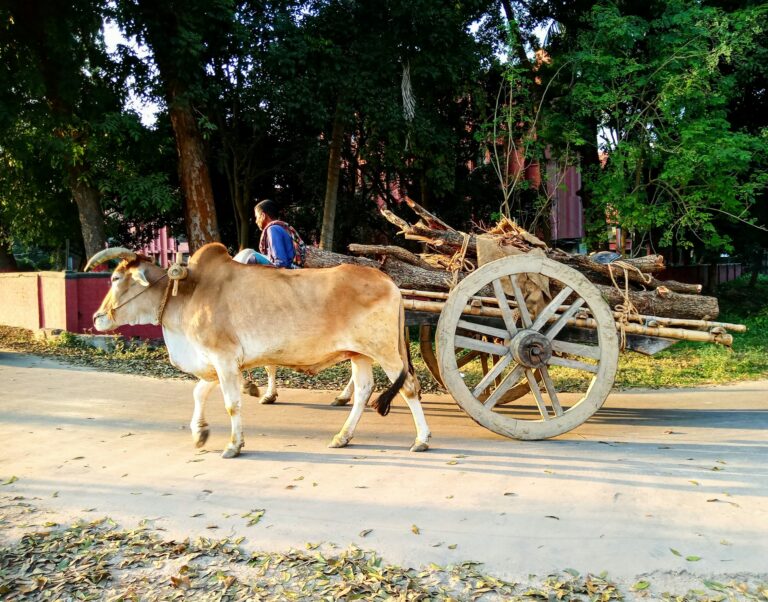
Trade networks were also a critical factor. Because petroleum deposits were concentrated in specific regions, a sophisticated logistics system emerged. Camel caravans and river barges transported bitumen over hundreds of miles. This trade required a stable legal system and a merchant class capable of managing complex supply chains.
Socially, these civilizations possessed complex administrative systems that could organize collection, processing, and distribution. Temples and palaces functioned as economic hubs, managing resources on a massive scale. Priests and scribes kept records of bitumen transactions, tracking its flow from source to construction site.
A legacy written in bitumen
Ultimately, the ancient world’s relationship with petroleum was highly advanced. They integrated it into their roads, their religions, and their industries. By understanding how to manipulate these natural hydrocarbons, ancient peoples laid the groundwork for modern chemistry.
When we consider the modern dependence on petroleum, it is worth remembering that this relationship with Earth’s buried energy is not new. It is a story that began tens of thousands of years ago, when a prehistoric toolmaker first pressed a lump of sticky black earth into a wooden handle.