
The history of cement: how a simple binder built civilization
Before cement, builders faced a fundamental problem. Stone structures relied on precise cutting and careful stacking. Wood rotted and burned. Mud bricks crumbled in rain. Ancient peoples needed a material that could bind components together, resist water, and harden into stone-like permanence.
Cement solved this puzzle. Furthermore, it opened possibilities that ancient architects had only dreamed about. Roads could span continents. Bridges could cross mighty rivers. Monuments could rise to unprecedented heights. This binding material revolutionized entire civilizations and enabled the infrastructure that connected the ancient world.
The evolution of cement: from discovery to mastery
In the earliest days of human settlement, builders relied on what the earth provided naturally. They used sun-dried mud, clay, and bitumen to hold stones in place. These materials served their purpose for a short time, but they had significant weaknesses. Consequently, early civilizations were limited by the fragile nature of their materials.
Ancient peoples in the Middle East were among the first to experiment with better binders. Around 7000 BCE, Neolithic builders in regions like modern-day Jordan discovered that heating limestone produced a crude form of lime mortar. They used this material to floor their houses and waterproof their cisterns. This was a monumental step forward because it showed that fire could transform common rocks into something much more useful.
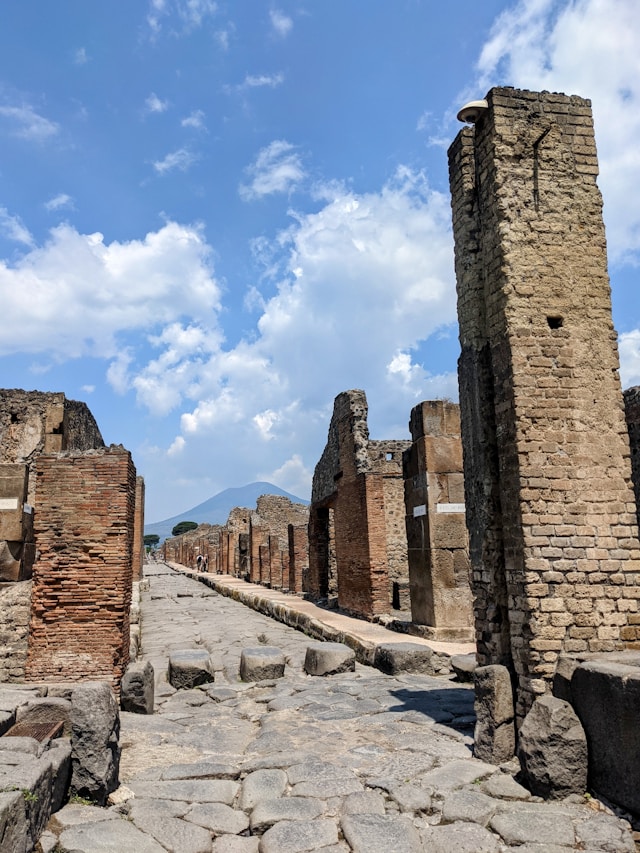
By 3000 BCE, the Egyptians had begun using mud mixed with straw to bind dried bricks together. They also employed gypsum and lime mortars in pyramid construction, creating binding materials that held massive stone blocks in place. These mortars enabled the construction of structures that still stand today. Meanwhile, in Asia, the Chinese civilization developed cementitious materials to reinforce bamboo in boats and later incorporated these materials into the Great Wall.
The Nabataea traders made crucial advances around 700 BCE in southern Syria and northern Jordan. They constructed specialized kilns designed specifically for producing mortar. These desert-dwelling people developed hydraulic cement for underground waterproof cisterns. This innovation allowed them to thrive in harsh desert environments where water storage meant survival.
Around the same period, Babylonians and Assyrians discovered that bitumen could bind stones and bricks effectively around 300 BCE. Each civilization built upon previous knowledge, gradually refining techniques and discovering new applications. This progression transformed cement into an essential construction material.
Why cement was revolutionary
It is important to understand how cement differs from other building materials. Most early binders worked through simple evaporation. When the water left the mud, the material became hard. Cement, however, functions through a chemical process known as hydration.
When limestone is heated to high temperatures, it transforms into lime. This lime, when mixed with water and aggregates, begins a chemical reaction that causes the mixture to harden over time. The material literally turns back into stone. This process creates bonds between individual particles that become incredibly strong and permanent.
The advantages over previous materials were numerous and compelling. First, cement could fill irregular spaces and bond dissimilar materials together. Second, hydraulic cement could harden underwater, which made possible construction in rivers, harbors, and cisterns. Third, cement structures could be shaped into complex forms including arches, domes, and vaults that stone alone couldn’t achieve. Fourth, cement required less skilled labor than precise stone cutting. Workers could pour concrete into forms rather than carefully shaping each stone.
Additionally, cement proved more economical than solid stone construction. Builders could use cheaper rubble and broken stones as aggregate, binding them with cement into a solid mass. This reduced material costs significantly while maintaining structural integrity. The Romans perfected this approach with their “opus caementitium,” demonstrating that cement-bound rubble could match or exceed solid stone in durability.
The roman mastery of concrete
While many cultures used lime, the Romans truly perfected the art of construction. They discovered that adding volcanic ash from Mount Vesuvius to their lime mixture created an exceptional hydraulic cement. This innovation enabled underwater construction, which transformed engineering possibilities.
Because of this, Roman engineers could build structures that have survived for two millennia. They used this early concrete to create the Pantheon, which still holds the record for the largest unreinforced concrete dome in the world. The strength of their cement allowed them to embrace the arch and the vault.
The Romans experimented extensively with different formulations. They added animal fat, milk, and blood to their mortar mixtures to enhance properties. Pliny documented a standard mortar mixture using 1 part lime to 4 parts sand. Meanwhile, Vitruvius reported using 2 parts pozzolana to 1 part lime. This experimentation reflected their sophisticated understanding of materials science.
Building the arteries of empire: roads and bridges
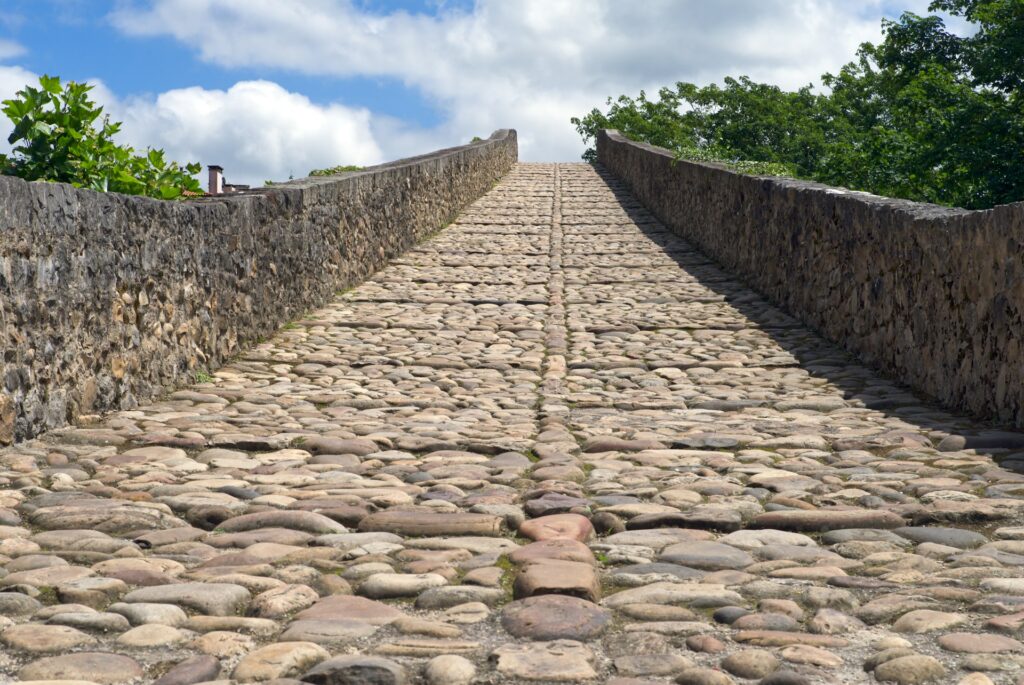
The impact of cement was most visible in the infrastructure that connected the ancient world. The Romans built over 50,000 miles of roads using layers of gravel and volcanic cement. These roads were durable enough to withstand the constant movement of legions and trade wagons. Similarly, cement made the construction of massive bridges possible.
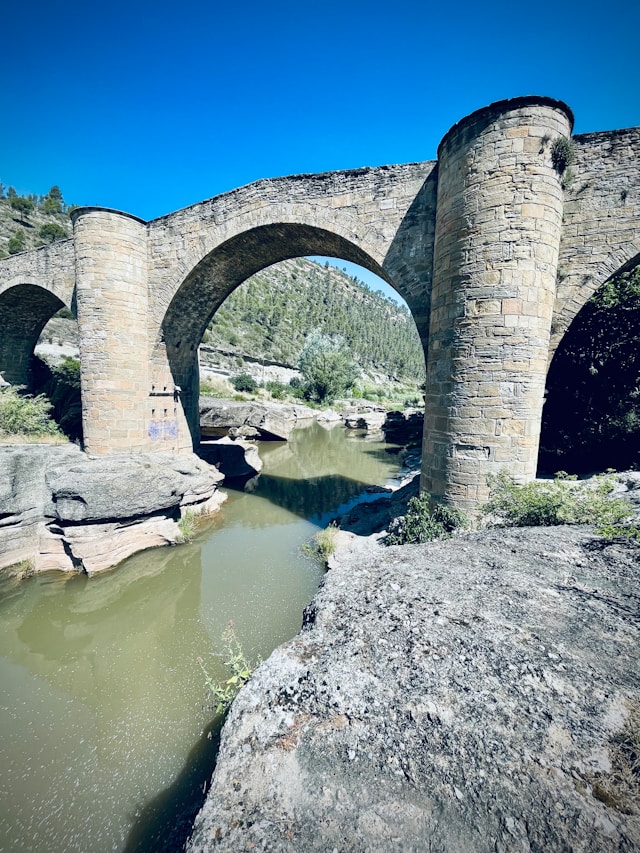
Engineers could pour concrete into wooden frames submerged in rivers to create sturdy piers. This technique allowed them to bridge wide gaps and cross turbulent waters. Consequently, these bridges facilitated the expansion of trade and the rapid movement of information across vast territories. The durability of cement ensured that these vital links remained functional for centuries.
Taming water through canals and aqueducts
Cement was also essential for the management of water resources. To support growing urban populations, ancient civilizations needed a way to transport fresh water over long distances. They built massive aqueducts lined with waterproof hydraulic cement to prevent leakage. This material was also used to construct complex sewer systems and public baths.
In addition to aqueducts, cement allowed for the creation of artificial harbors and canals. By using cement that hardened underwater, the Romans built massive breakwaters to protect their fleets. These maritime structures transformed small coastal towns into global trading hubs. The ability to control and direct water was perhaps the greatest advantage that cement provided to early societies.
The role of middens in cement production
Shell middens, or shell mounds, played a surprising role in cement history. These accumulations of shells from prehistoric refuse heaps provided readily available calcium-rich material. European colonizers recognized shell heaps as valuable resources during the 1600s.
Shells could be easily dried and burned into quick lime paste. This created sturdy cement for colonial buildings. In Brazil, shell mounds called “sambaquis” were extensively mined for lime. Many colonial buildings used lime mixed with sand and whale fat, essentially creating structures from shell mounds. Early settlers also discovered tabby construction by mixing baked oyster shell, sand, lime, and water in a heated reaction
Social conditions and the rise of masonry
Multiple factors converged to make cement’s invention and use possible. The production of cement is a labor-intensive process that requires the coordination of many different groups. You need miners to extract the stone, woodcutters to fuel the kilns, and skilled masons to apply the mixture.
Therefore, the rise of cement is closely linked to the development of organized governments and centralized economies. Only a society with a stable food supply and a structured hierarchy could afford to dedicate so much manpower to infrastructure. In return, the use of cement strengthened these societies by providing them with better defense, better trade, and more impressive monuments to their power. The technology and the social structure evolved together, each reinforcing the growth of the other.
A legacy set in stone
The invention of cement represents one of the most significant turning points in the history of human technology. It transformed the way we interact with our environment and allowed us to build a world that lasts. By looking back at the middens of the Neolithic age and the volcanic ash of Rome, we can see how curiosity and necessity drove our ancestors to innovate.