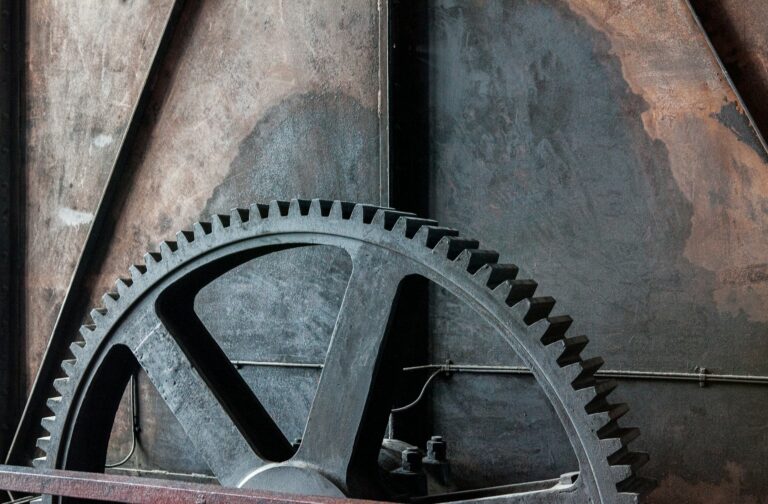
The invention of steel: the metallurgical revolution of the classical world
The transition from the relative softness of bronze to the unyielding edge of steel did not occur in a vacuum. The shift from the Bronze Age to the Iron Age…
Roads and bridges rank among humanity’s oldest engineering achievements. They reshaped how societies moved, traded, and expanded their reach. What began as animal migration paths followed by nomadic tribes gradually…
Writing, in its earliest stages, was a heavy endeavor. To keep track of grain stores, celestial movements, or kingly decrees, ancient civilizations had to physically carve their thoughts into the…
In the earliest days of human settlement, if you wanted water, you lived beside it. The great cradles of humanity, Sumer, Egypt, the Indus Valley, were defined by their proximity…
In the ancient world, rarest fabrics served as a tactile language of hierarchy, divinity, and economic dominance. Commoners wore coarse wool, hemp, or flax. While the elite draped themselves in…
Porcelain began as a local Chinese experiment in clay and fire and ended up reshaping global trade, taste, and technology. For centuries, it has held the world’s imagination captive. In…
Metal smelting sits at the crossroads of fire, stone, and human curiosity, and its mastery quietly rewrote the rules of ancient history. Before the first empires rose or the first…
For a species that lacks the protective fur of our primate cousins, clothing was a biological imperative. The transition from hairless hominids to a globally dominant civilization is woven directly…
Food storage is as old as civilization itself. The need to keep edible things safe from spoilage, pests, and the rhythms of hunger drove humans to invent methods that would…