The ancient power of gold
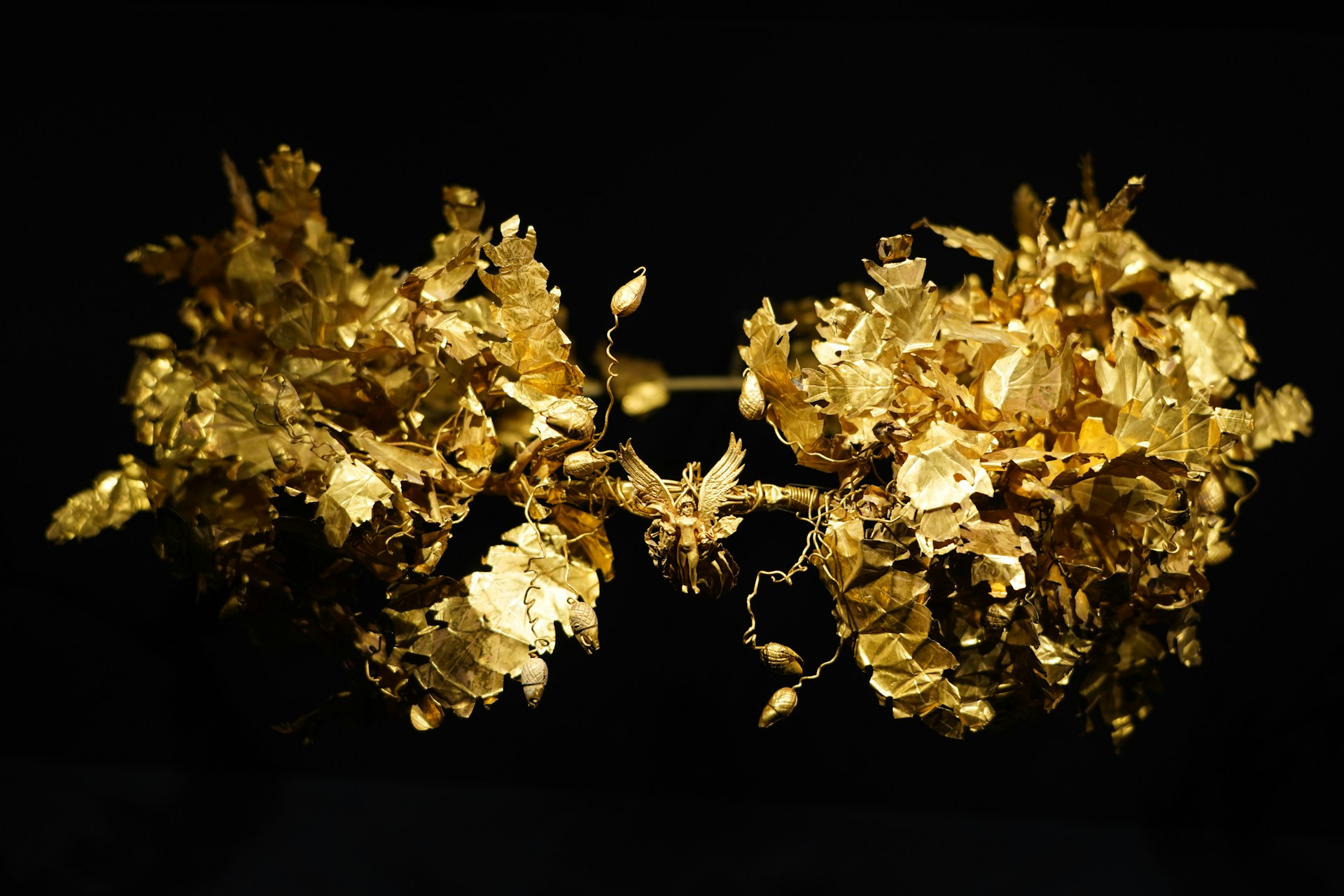
Gold has captivated the human imagination for millennia. Unlike other metals that corrode or tarnish, gold maintains its luster forever. This unique physical property made it the ultimate symbol of divinity and power in antiquity. It drove wars, built religions, and connected distant civilizations long before the modern world existed.
The first encounter
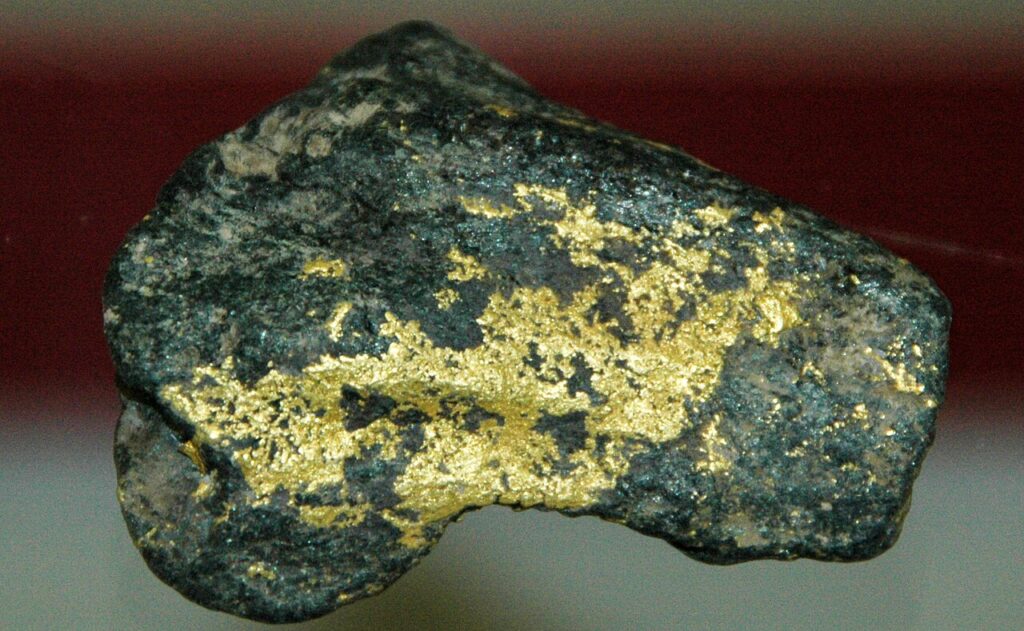
Early humans likely discovered gold in its native state. Most metals exist in nature as ores, which require complex chemical processes to extract. Gold, however, often appears as pure yellow nuggets or flakes within riverbeds.
These early hunters and gatherers found these heavy, shiny stones while searching for water or obsidian. Because gold is incredibly malleable, it could be hammered into shape with simple stone tools. Consequently, gold became the first metal used by humans, even predating the use of copper.
The oldest known substantial gold artifacts come from the Varna Necropolis in present-day Bulgaria, dated to around 4500–4000 BCE. These burial objects: rings, bracelets, and ceremonial pieces reveal that early Europeans were already shaping gold for status and ritual. By 4000 BCE, communities across Eastern Europe had begun working it into ornamental objects.
Egypt: where gold became sacred
No ancient civilization did more to establish gold’s importance than Egypt. By 3200 BCE, Egyptians were already mining systematically, following quartz veins deep underground in the Eastern Desert and the Nubian deserts. Pit mining became widespread around 3000 BCE, and Egypt quickly became the ancient world’s greatest gold producer.
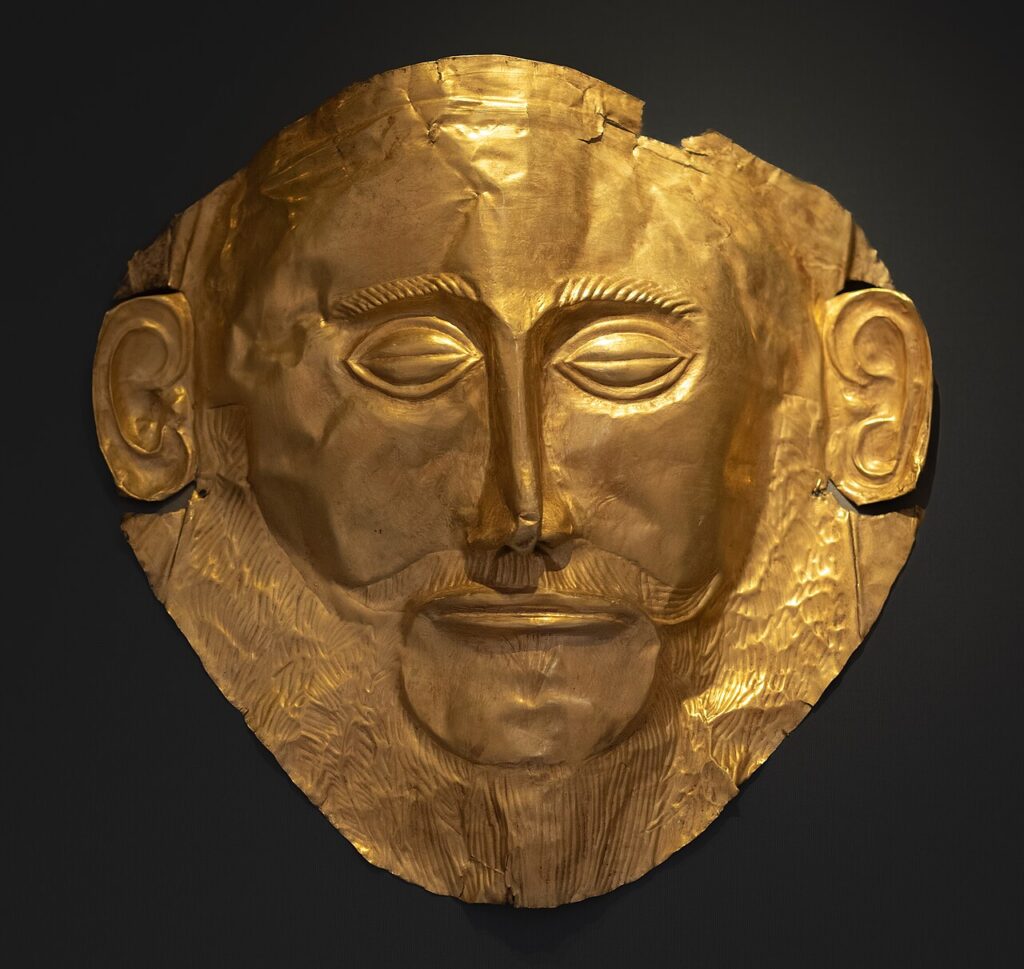
For Egyptians, gold carried a religious meaning that went far beyond beauty or wealth. Gold was considered the flesh of the gods. The sun god Ra was said to have golden skin, and pharaohs were buried surrounded by golden objects to carry that divinity into the afterlife. Furthermore, Egyptians created one of history’s first known maps, the Turin Papyrus, dated to around 1320 BCE, specifically to document gold mining locations in Nubia.
Extracting gold from the earth
Early miners developed techniques that grew increasingly sophisticated over centuries. The simplest method was alluvial panning: swirling river sediment in shallow pans until lighter material washed away and dense gold particles settled at the bottom. Egyptian miners also used wooden troughs called sluice boxes, directing water through channels to separate gold from gravel.
Later, the Romans introduced hydraulic mining, directing powerful jets of water at hillsides to erode entire formations. Meanwhile, at Sardis in Lydia, craftsmen developed amalgamation, combining gold-bearing sediment with mercury to bind fine gold particles before burning off the mercury. This technique recovered gold too small for panning alone, making it transformative for alluvial mining operations
Inventions that spark the gold age
The widespread use of gold was only possible because of several prior technological breakthroughs. First, the mastery of fire was essential. Without the ability to reach and maintain high temperatures, melting gold would have remained impossible.
Second, the development of ceramics was crucial. Early potters learned how to create clay vessels that could withstand extreme heat without cracking. These kilns and crucibles provided the environment necessary for metallurgy. By placing gold dust in ceramic pots and heating them to 1,064 degrees Celsius, smiths could melt the metal. This allowed them to pour gold into molds, creating uniform bars and intricate shapes.
Gold as the engine of trade and politics
In the early stages of history, gold was primarily used for decoration and religious offerings. However, the Kingdom of Lydia, located in modern-day Turkey, transformed gold into a political tool. Around 610 BCE, King Alyattes minted the first official coins using “electrum,” a natural alloy of gold and silver.
This invention revolutionized the ancient world. Before coins, trade relied on bartering or weighing metal scraps. Consequently, standardized gold coins allowed for faster transactions and the expansion of empires. Gold became the universal language of value. Romans later used gold coins, known as the “aureus,” to pay their legions and maintain the largest empire the world had ever seen.
Gold in Mesoamerica and South America
In the Americas, gold carried a cosmic significance. Both the Aztecs and the Incas described gold as the sweat or tears of the sun, a divine substance reserved for rulers and deities. Gold reached widespread use in Mesoamerica around 800 CE, arriving later than in the Old World but with no less intensity.
The Mixtec people of Oaxaca were the most skilled goldsmiths of all Mesoamerica. Roughly 80% of surviving Mesoamerican gold artifacts come from Mixtec territory, including elaborate bells, solar pendants, and zoomorphic pieces crafted using the lost-wax casting method. This involved creating a wax model, covering it in clay, melting the wax out, and pouring gold into the void.
The Maya, lacking major deposits, traded extensively for gold. The largest Maya gold cache was recovered from the sacred cenote at Chichén Itzá, including hammered discs depicting warfare and human sacrifice. Further south, the Inca empire organized gold production at a state level. Temples were lined with gold sheets, most famously the Coricancha in Cusco, as a physical declaration of divine authority.
Beyond jewelry: non-obvious uses of gold
Ancient people were remarkably creative with gold’s practical applications. One of the most surprising uses was in early dentistry. The Etruscans, who lived in central Italy, used gold wire to bridge gaps between teeth and hold dental prosthetics in place.
In the field of medicine, some ancient doctors believed that consuming gold could heal various ailments. In ancient China, gold was occasionally added to potions and foods, as it was thought to provide longevity.
Furthermore, gold was used in the creation of early mirrors. Because gold can be beaten into a “leaf” that is only a few atoms thick, it was applied to surfaces to create reflective finishes. In some cases, gold leaf was even used to coat the tips of obelisks in Egypt so they would catch the first rays of the morning sun.
The golden legacy
Gold’s rise across ancient civilizations required specific social and technological conditions to take hold. Organized labor, made large-scale mining possible. Elite hierarchies created the demand for gold as a status symbol. Religious systems gave it cosmic meaning, ensuring its continued production. Trade networks spread both the material and the techniques used to work it.
What makes gold’s ancient history so striking is how consistently it meant the same things across cultures that had no contact with each other. From the Nile to the Andes, from the Anatolian highlands to the cenotes of the Maya, gold expressed divinity, authority, and permanence without a single spoken word.
Today, we still use gold for many of the same reasons as our ancestors. It remains a store of value, a symbol of status, and a vital component in our most advanced technologies.