The invention of bricks and the building of human history
Few inventions shaped human history as quietly as the brick. Before steel, before concrete, before glass towers scraped the sky, there was a block of clay pressed into shape and left under the sun. That modest object became the foundation of cities, temples, empires, and water systems that fed millions. It transformed the landscape of the planet and provided the literal building blocks for the first empires.
The earliest traces of masonry
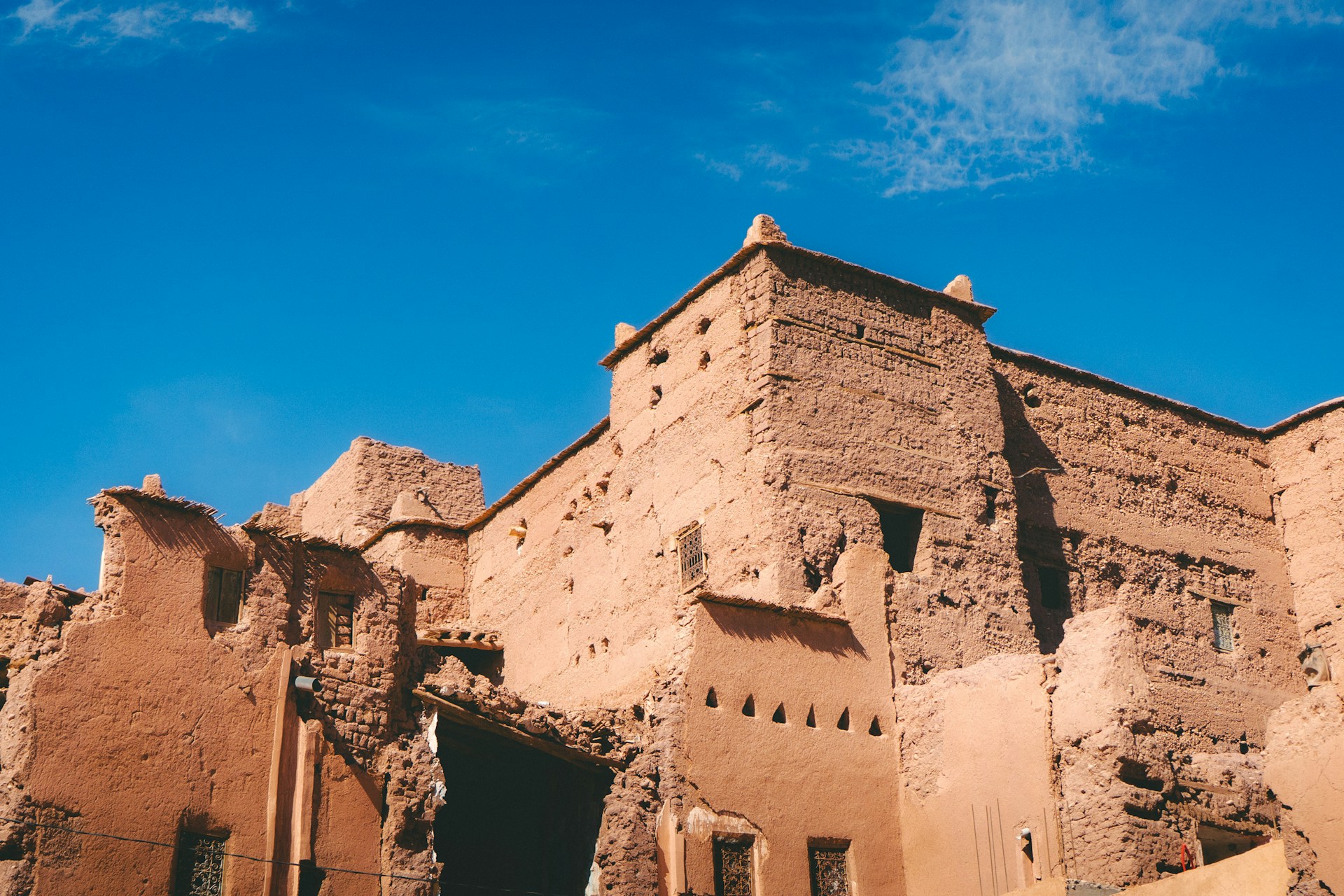
The oldest known bricks date to around 7000 BCE, found at sites near Jericho in the Levant and in southern Turkey. Those early builders noticed that clay, when shaped and dried in the sun, became a hard, stable block. These early examples were very different from the rectangular blocks we recognize today. Residents of these early settlements molded clay by hand into oval shapes. This process created a sturdy building unit that could withstand the weight of a roof.
Furthermore, the environment of the Fertile Crescent played a crucial role in this development. The region lacked an abundance of timber or stone for construction. Consequently, the inhabitants turned to the mud and silt deposited by rivers. These first bricks were sun-dried, not fired. They had limits. Heavy rains could dissolve them, and in humid climates they decayed quickly. Yet in the dry heat of the Middle East, they lasted long enough to change how people lived and organized themselves.
Mesopotamia and the age of clay
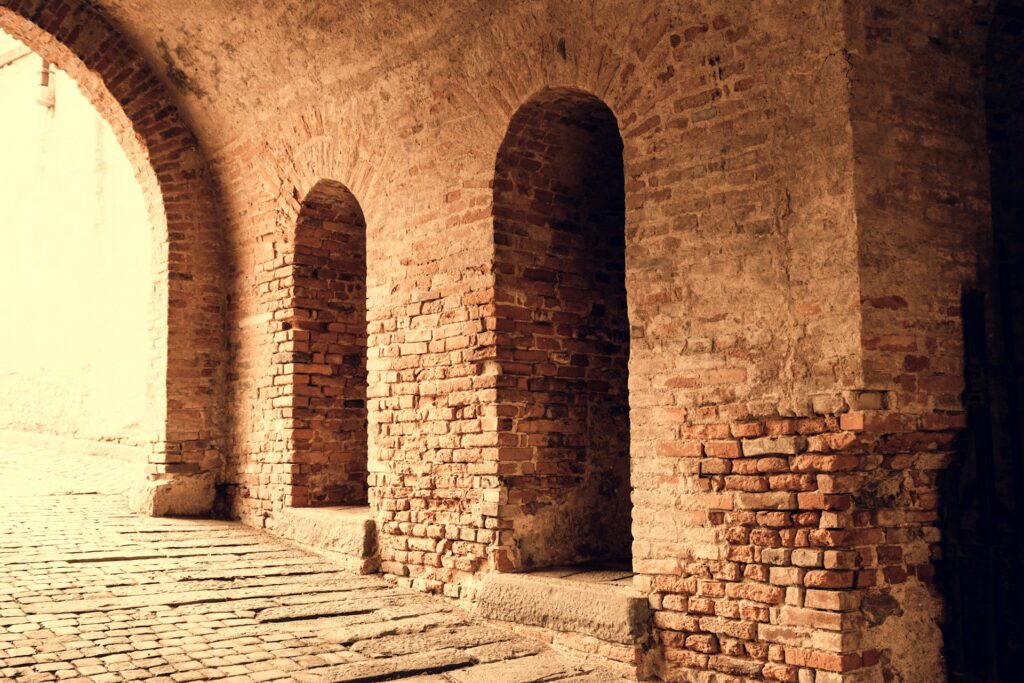
The Sumerians of Mesopotamia were among the first to turn brickmaking into a true technology. By around 4000 BCE, they were already using wooden molds to produce uniform rectangular bricks and firing them in kilns at temperatures between 900 and 1100 °C. At those temperatures, clay undergoes a transformation that makes it far more durable. Fired bricks could absorb heat during the day and release it slowly at night, helping regulate the temperature inside buildings in the harsh climate of the Tigris–Euphrates Valley.
The key to this innovation was clay itself. Formed over millions of years through the weathering of rocks, clay has a distinctive property known as plasticity: when wet, it can be easily shaped; when dry, it retains that shape. More importantly, its chemical structure allows it to undergo a permanent transformation when exposed to high heat, becoming hard and resilient.
In southern Mesopotamia, clay was also the most practical building material. Stone was scarce in the region, making the abundant riverbank clay an obvious resource for construction. To improve the bricks, Sumerian builders mixed straw into the clay, which helped prevent cracking during drying and added structural strength.
Alongside straw, they used bitumen, a natural petroleum derivative found in the region, as a waterproof sealant and mortar between brick layers. This combination proved remarkably effective. The Great Ziggurat of Ur, built around 2000 BCE, relied on fired bricks bonded with bitumen to endure the passage of millennia. Mastering kiln management, controlling temperature, and understanding how clay behaved under heat required careful experimentation, linking brickmaking to the broader technological advances that were shaping early industry in ancient Mesopotamia.
How metallurgy and cement transformed the craft
As human knowledge expanded, new technologies facilitated the evolution of brickmaking. The rise of metallurgy around 3000 BC provided builders with more durable tools. Copper and later bronze implements allowed workers to dig clay more effectively. These metal tools also helped in the construction of precise wooden molds and the leveling of building sites.
Similarly, the invention of fired bricks represented a major turning point. Builders realized that placing bricks in a kiln made them much harder and more resistant to water. This innovation occurred around 3000 BC in both Mesopotamia and the Indus Valley. Fired bricks could survive in damp climates where sun-dried bricks would eventually dissolve.
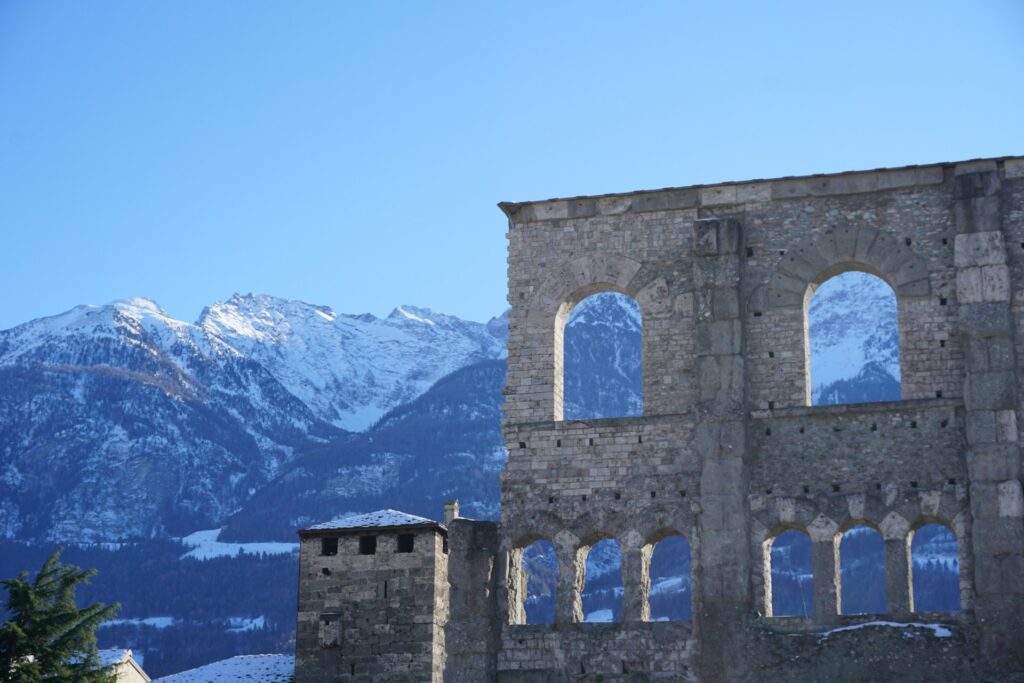
The introduction of cement and mortar further enhanced the utility of bricks. The Romans perfected a form of hydraulic cement using volcanic ash known as pozzolana around the 1st century BC. This substance allowed bricks to be bonded together into massive, monolithic structures. The combination of brick and cement enabled the construction of the Pantheon and the Colosseum. These buildings have survived for nearly two thousand years because of this technological synergy.
Bricks, infrastructure, and the architecture of power
Bricks were essential for the expression of political and religious authority. Their relatively simple production allowed rulers and states to mobilize labor and resources on a scale that transformed landscapes and cities.
In ancient Mesopotamia, kings used brick construction to project both political and religious power. Massive stepped temples known as ziggurats dominated the skylines of major cities. The Ziggurat of Ur, built around 2100 BCE, illustrates this connection between architecture and belief. Constructed from millions of bricks, the structure served as a temple complex dedicated to the moon god Nanna while also standing as a visible symbol of royal authority and the city’s devotion.
Bricks also became a crucial element in defensive architecture. The Great Wall of China provides a primary example of this utility. While early sections of the wall used rammed earth, the Ming Dynasty began using fired bricks on a massive scale after 1368 AD. These bricks provided a durable exterior that protected the core of the wall from erosion and invaders. The state organized vast networks of kilns and laborers to produce the billions of bricks required for this project.
Beyond monumental and military structures, bricks also supported the infrastructure that sustained daily life. The Roman Empire made extensive use of brick-faced concrete in engineering projects that supplied water and connected cities across vast territories. The Pont du Gard in southern France, completed around 19 BCE, remains one of the most striking surviving examples of Roman aqueduct design. These systems carried fresh water to the city of Rome, whose population at its peak approached one million inhabitants.
Roman engineers also incorporated fired bricks into drainage culverts, bridges, and road structures. Because bricks could be produced locally wherever clay deposits existed, they allowed infrastructure to expand across different regions and climates. In this way, a material made from earth and fire became a quiet but essential tool for building and maintaining the power of ancient states.
Global applications from china to rome
The use of bricks spread across the globe as different civilizations recognized their value. In the Indus Valley, around 2600 BC, the cities of Harappa and Mohenjo-Daro featured advanced urban planning. These cities used bricks with standardized dimensions in a ratio of 4 to 2 to 1. This mathematical precision allowed for the creation of complex drainage systems and multi-story homes.
In Europe, the Roman Empire became the greatest proponent of brick architecture. Roman legions often traveled with mobile kilns. They produced bricks to build forts, bridges, and aqueducts in every province they conquered. The versatility of the brick allowed the Romans to replicate their architectural style from Britain to North Africa. After the fall of Rome, the art of brickmaking declined in some parts of Europe but remained vibrant in the Byzantine Empire and the Islamic world.
In the Islamic world, from the 7th century CE onward, bricks shaped mosques, madrasas, and urban water infrastructure. Builders in Persia and Central Asia developed elaborate decorative brickwork that made their mosques some of the most visually sophisticated buildings of the medieval era. Medieval Europe, meanwhile, rediscovered Roman brick techniques around the 12th century as cathedral and castle construction created massive demand for durable materials. By the 15th century, brick had become the default urban building material in the Low Countries and northern Germany, where stone was rare but river clay was abundant.
From clay to civilization
From the first sun-dried blocks shaped by hand near Jericho to the vast cities of the Roman Empire, the brick accompanied the rise of complex societies. Civilizations across Mesopotamia, the Indus Valley, and the Mediterranean adapted this simple material to their own needs. With clay, water, and fire, they built temples, homes, walls, and roads. In doing so, they transformed the landscape and laid the foundations of urban life.
The legacy of the brick lies in its simplicity and versatility. Structures like the Ziggurat of Ur and the Great Wall of China show how a modest block of clay could support monumental ambitions. Easy to produce wherever clay was available, bricks allowed cities and infrastructure to expand across regions and climates. Even today, they remain a reminder that some of humanity’s most influential technologies began with the simplest materials.