The origins of religion: how ritual came before belief
Long before temples rose from the earth and priests codified doctrine, humans gathered in darkness. They descended into caves, lit fires, carved symbols into stone, and altered their consciousness together. We often assume that religion birthed ritual, but the archaeological record suggests that rituals formed the very foundation upon which organized belief systems were eventually built.
In the era before named deities, rhythmic practices served as the primary technology for the early human mind. They provided a way to navigate a world that felt both beautiful and dangerously unexplained.
The first sacred spaces
The evidence of early ritualistic behavior is found in the most inaccessible reaches of the earth. Deep within limestone veins in Western Europe, sites like Lascaux and Chauvet contain proof of Paleolithic ceremonies. These locations served as dedicated sanctuaries situated far from the daylight of domestic living quarters. To reach the “Hall of the Bulls,” early humans crawled through narrow, lightless passages guided by the flickering glow of animal-fat lamps.
The painting of these animals represented a focused, ritualized attempt to interact with the essence of the hunt. Similarly, the Cueva de las Manos in Patagonia displays hundreds of stenciled hands that have overlapped on the rock walls for over 9,000 years. These marks represent a collective rite of passage, binding the individual to the group and the group to the landscape.
Archaeological finds in the Shanidar Cave in Iraq offer even deeper insights. Neanderthals at this site buried their dead with clear intentionality. Soil samples revealed high concentrations of pollen from wildflowers such as yarrow and cornflower within a specific grave. These floral offerings indicate a ritualized approach to death and grief, showing that the impulse to treat mortality with ceremony existed even before Homo sapiens became the dominant species.
The biology of social cohesion
Early peoples invested significant energy into these repetitive and often exhausting behaviors because they served a vital biological purpose. Rituals served as social technology, binding groups together through shared experience.
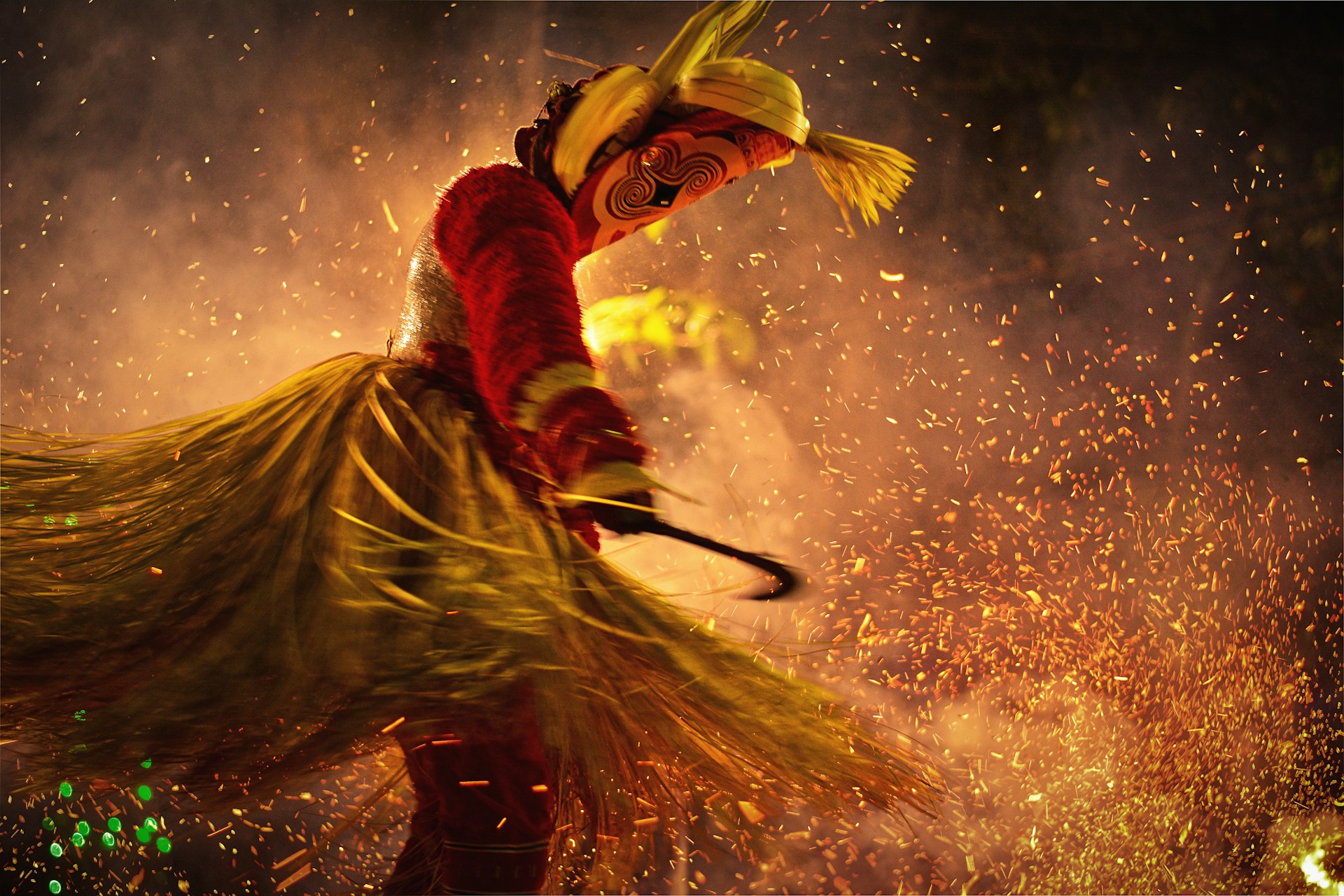
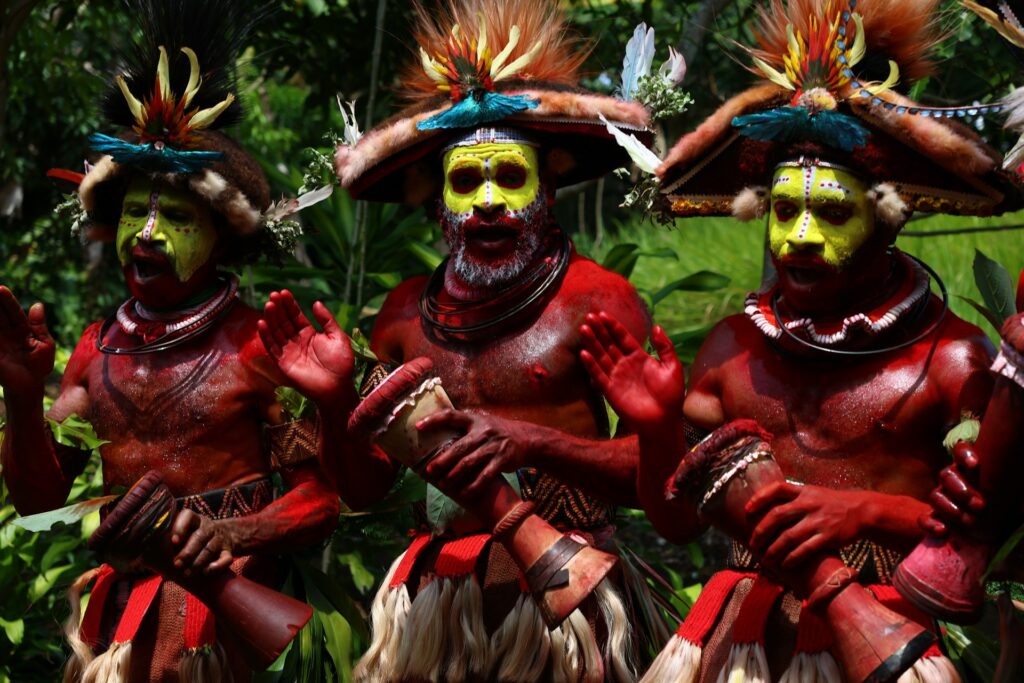
When a group participates in synchronized dancing or chanting for extended periods, their physical states begin to align. These activities trigger the release of oxytocin and endorphins, which help to dull physical pain and create a sense of profound euphoria. This biological response facilitated “identity fusion,” where the individual’s sense of self merged with the collective. They marked life’s transitions: births, deaths, coming-of-age. It transformed biological events into meaningful cultural moments.
The chemistry of transcendence
As these practices became more sophisticated, humans discovered that certain substances could accelerate the shift in consciousness required for sacred events. The history of ritual is deeply intertwined with the use of psychotropic and fermented substances.
Fermentation technology emerged surprisingly early, with intentionally fermented beverages dating to at least 10,000 BCE. The Natufian people of the Levant brewed beer for ceremonial gatherings 13,000 years ago, using malting, mashing, and fermentation techniques that required specialized knowledge and equipment.
Similarly, caffeine-bearing plants held a central place in the rituals of East Asia and Mesoamerica. The Maya and Olmecs treated cacao as a divine substance, involving elaborate preparation rituals to create a “breath” of foam on the liquid. These stimulants provided the physical stamina necessary for all-night vigils and helped practitioners maintain the intense focus required for their ceremonies. These substances acted as tools to tune the human experience to a different frequency.
The transition to organized religion
The transition from spontaneous ritual to organized religion happened gradually over millennia. The pattern is visible in the archaeological record: ritual spaces moved from deep caves to constructed shrines, from occasional gatherings to regular ceremonies, from fluid practices to codified procedures.
The Natufian people represent this shift. They continued using caves for rituals but also built special communal structures in open areas. These structures marked a crucial transition, spiritual practices moving from natural spaces to purpose-built architecture.
By the time civilizations emerged in Mesopotamia and Egypt, the infrastructure of organized religion was in place: permanent structures, specialist priests, written texts, and hierarchical systems. The core elements like communal gathering, altered consciousness, symbolic objects, and shared transcendent experiences came directly from those earlier cave ceremonies.
The elaborate temple complexes at Gonur Depe in Central Asia, dated to the early Mesopotamian period, contained ritual vessels with psychoactive substances, showing continuity between shamanic practices and emerging religious institutions. The rituals that once happened spontaneously in darkness became scheduled, managed, and controlled by religious authorities.
Göbekli Tepe: the ritual engine of civilization
One location challenged this timeline: the discovery of Göbekli Tepe. The site consists of massive, T-shaped stone pillars carved with images of scorpions, lions, and vultures. The structures were 11,000 years old, or more, making them humanity’s oldest known monumental structures, built not for shelter but for some other purpose.
There is no evidence of a permanent city or a nearby water source at Göbekli Tepe. It functioned as a destination for travelers who journeyed hundreds of miles to gather for specific ritual purposes. This evidence suggests that the need to feed large numbers of people attending these ceremonies likely drove the first experiments in domesticating wheat and livestock. The ritual requirements of the group acted as the catalyst for the Neolithic Revolution, forcing nomadic peoples to adopt a settled lifestyle to maintain their ceremonial cycles.
Ritual as humanity’s first technology
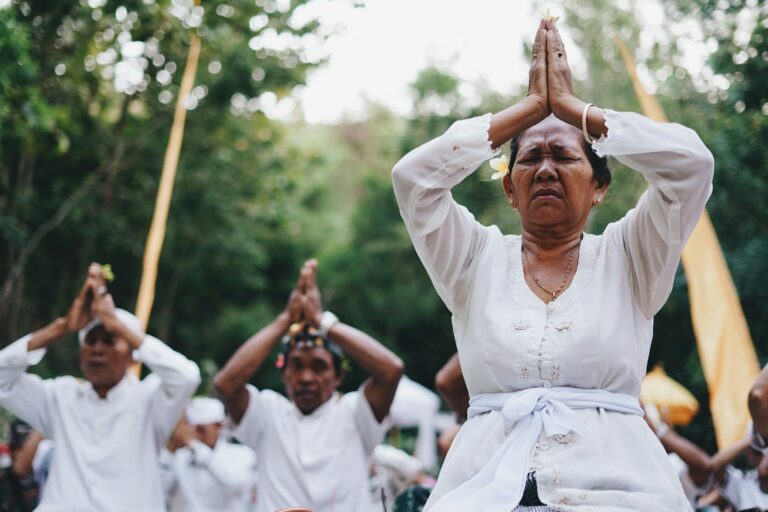
The major organized religions of the modern world have direct lineages back to these original tribal practices. The use of incense, communal singing, rhythmic movement, pilgrimages to sacred sites, ceremonial feasting, and even the ritual consumption of wine or other substances.
From stalagmite circles of Bruniquel and the fermentation vessels of ancient China, these traces point to a shared human impulse: to create meaning together. Long before formal belief systems, early communities used ritual as a social technology to mourn loss, celebrate
These frameworks were built before there was language for theology. Our ancestors moved, danced, and assembled around shared acts until those movements hardened into the very scaffolding of social life.