How organized religion built the first civilizations
For the vast majority of our history, humans existed in small, migratory bands. Spirituality was a fluid, intimate affair, a conversation between a hunter and the spirit of the forest, or a tribe and the ancestors who walked beside them in the dark. But as the first seeds were sown in the fertile crescents of the world, the spirit world, once accessible to all, began to be codified. This was the birth of organized religion, the invisible scaffolding upon which the first great civilizations were constructed.
The shift from tribal spirituality to organized religion is one of the quiet revolutions that made civilization possible, quietly wiring belief into law, architecture, and political power.
The Great Divergence: From Ritual to Liturgy
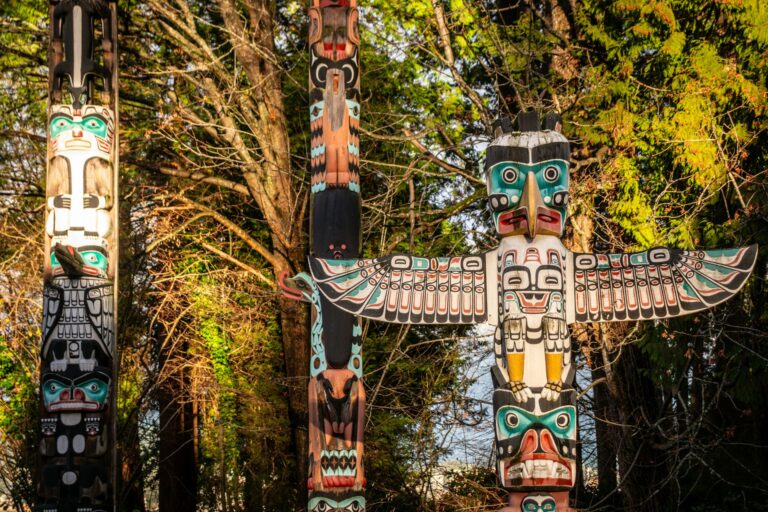
To understand the impact of ancient religions, we must first distinguish them from the tribal rituals that preceded them. In a hunter-gatherer context, spirituality was decentralized. There were no scriptures, no professional priesthood, and no grand cathedrals. Rituals were reactive, performed to ensure a successful hunt, to heal a sick child, or to appease a local spirit.
Organized religion changed the why and the how. As humans began to congregate in larger numbers, the informal “shamanic” approach was no longer sufficient to maintain social order. The transition from ritual to liturgy meant that the sacred was now governed by rules, schedules, and hierarchies.
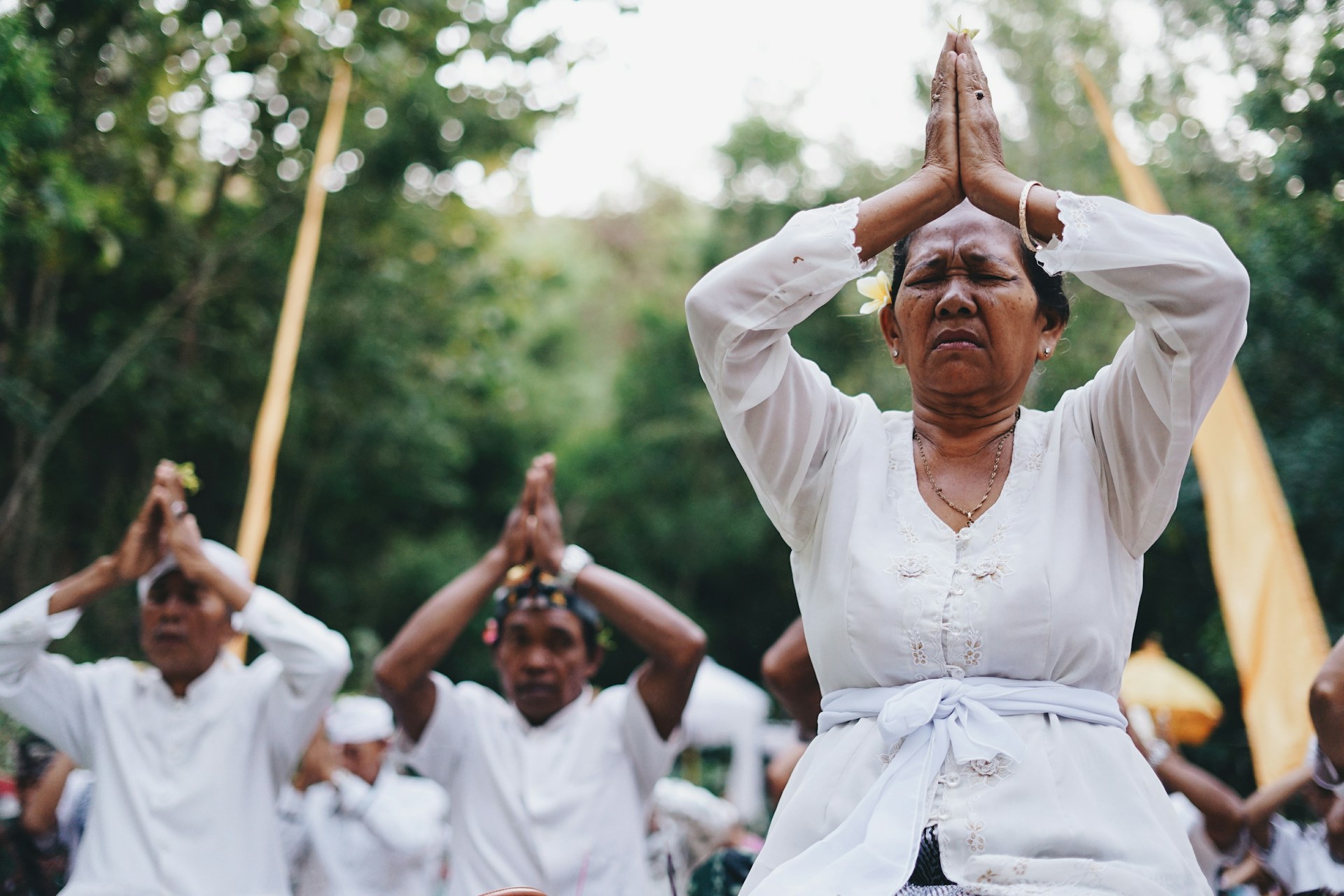
Organized religion introduced the concept of the institution. For the first time, there was a “right way” to interact with the divine. It introduced fixed calendars, codified myths, written scriptures, and professional clergy who interpreted the will of the gods. Where tribal rituals were often ad‑hoc and localized, organized religion standardized ceremonies across large populations, turning personal experience into public doctrine. This shift allowed belief to scale: from the intimate circle of a clan to the millions of subjects in an empire.
The first organized religion
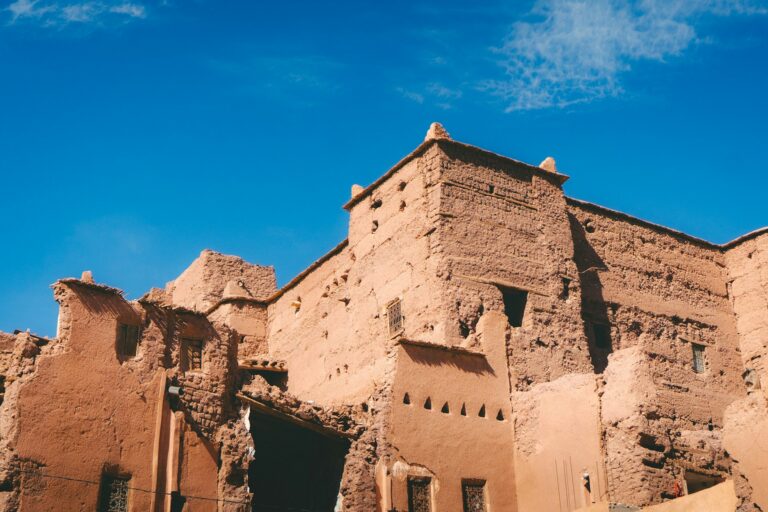
The earliest clear traces of organized religion come from Mesopotamia and Egypt in the fourth and third millennia BCE. In Sumer, the first literate civilization, cities such as Uruk and Ur grew around massive temple complexes dedicated to gods like An (sky), Enlil (air and storms), and Inanna (love and war). These temples were economic hubs, storehouses, and centers of administration, staffed by a growing class of priests and scribes.
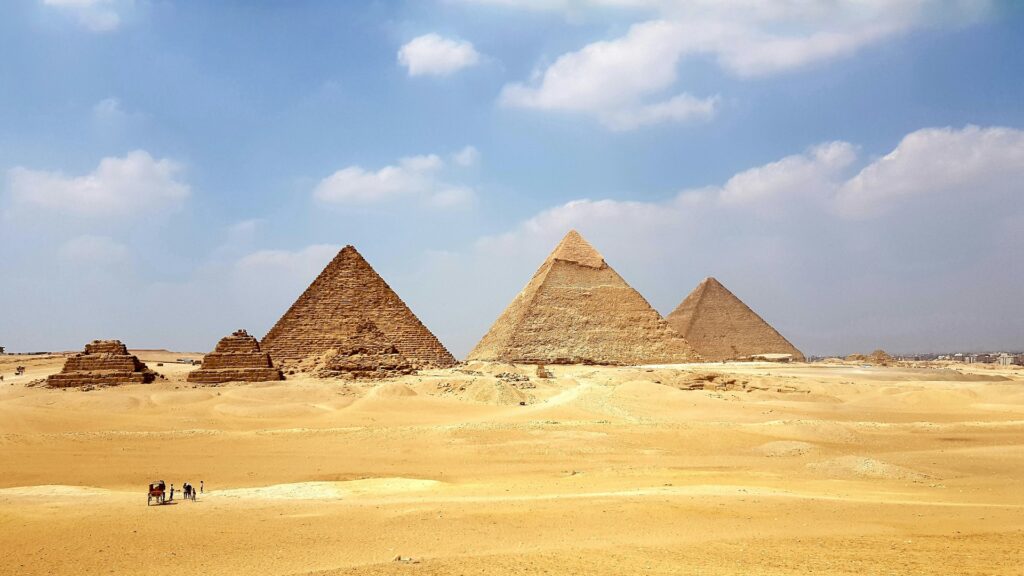
In Egypt, the unification of the Nile Valley around 3000 BCE coincided with the rise of a national pantheon and the cult of the divine pharaoh. Gods such as Ra, Horus, and later Osiris became central to state ideology, and royal tombs and temples turned belief into stone, bureaucracy, and dynastic continuity. These were no longer just local cults; they were institutionalized systems of gods, rituals, and sacred spaces that could outlive individual rulers and villages.
Writing: the technology of the gods
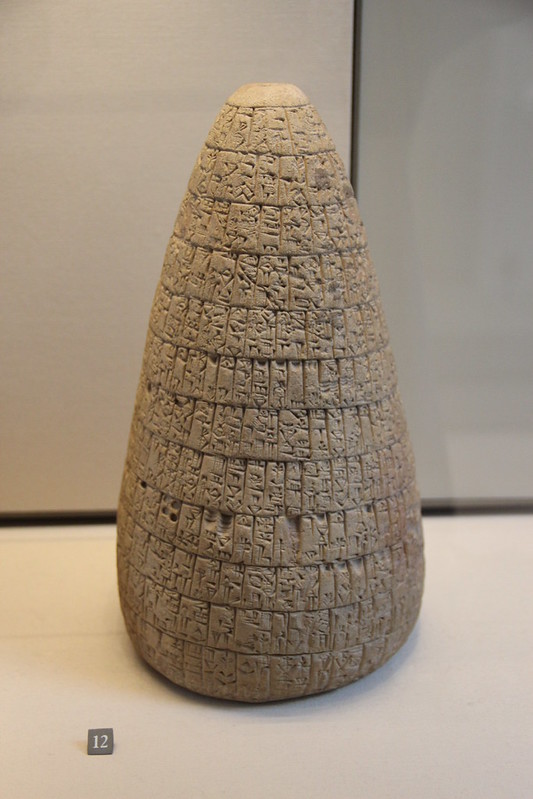
Perhaps the most critical technology in the history of religion was the invention of writing. In the tribal era, myths were oral and prone to drift. But with the advent of Cuneiform in Mesopotamia and Hieroglyphs in Egypt, the word of God became static and immutable.
Writing allowed for the creation of sacred law. When a code of conduct is written down and attributed to a deity, such as the laws of Shamash given to Hammurabi, it becomes indisputable. You cannot argue with a stone tablet. This technology allowed religions to scale. A priest in a distant colony could practice the exact same rituals as the High Priest in the capital because the instructions were codified in text.
In Egypt, this reached its zenith. The Egyptians viewed the world as a delicate balance called Ma’at. Their religion was a sophisticated technology of preservation. From mummifying the dead to constructing the Great Pyramids, the Egyptians designed every action to maintain the cosmic order. The Pharaoh wasn’t just a king; he was a living god, the bridge between the terrestrial and the divine. This centralization of power allowed Egypt to remain a stable, recognizable culture for over three thousand years.
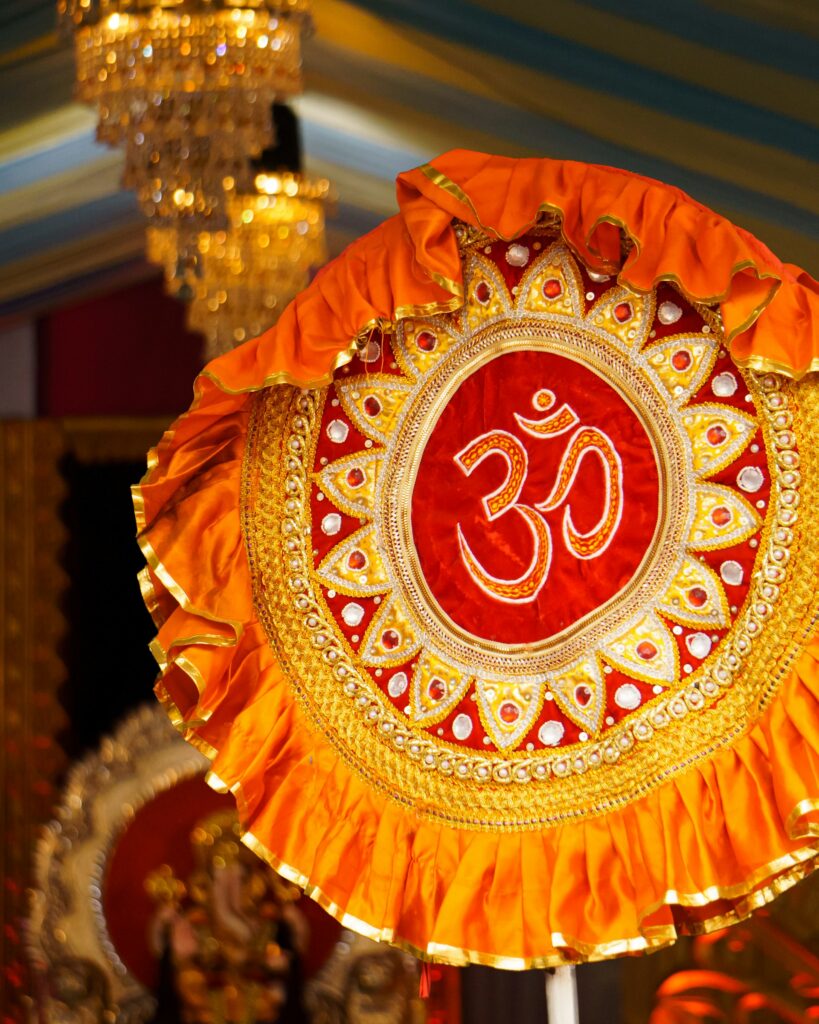
The peoples most associated with the birth of organized religion are the Sumerians, Akkadians, Babylonians, Assyrians, and Egyptians. Followed later by the Persians, Greeks, and Indians. Each contributed elements that allowed religion to scale: the Sumerians invented writing and the temple‑city model. The Egyptians refined divine kingship and funerary cults. The Persians developed a more abstract, dualistic theology that influenced later monotheisms. While, Indians influenced a large branch of Eastern religions that include Buddhism, Hinduism, Jainism, and Sikhism.
The engine of empire
As these city-states grew, religion provided the moral and legal justification for Empire. It is no coincidence that the first great conquerors, such as Sargon of Akkad, claimed divine favor. To go against the King was to go against the Heavens.
Organized religion solved the problem of “the stranger.” In a tribe, you trust people because you know them. In an empire, you trust people because you share a belief system. Religion became a tool of integration, giving diverse peoples shared symbols, calendars, and moral frameworks under a single political umbrella.
The impact on civilization was profound:
- Architecture: The need to house the divine led to the development of masonry, geometry, and large-scale engineering.
- Timekeeping: The priesthoods of the ancient world were the first astronomers. They needed to predict the flooding of the Nile or the solstice for festivals, leading to the creation of the first calendars.
- Morality: Organized religion moved ethics from the “eye-for-an-eye” tribal justice toward a more formalized system of divine rewards and punishments, shaping the legal frameworks we still use today.
The cultural legacy of organized religion
Organized religion shaped law, art, science, and social structure. Mesopotamian rulers like Hammurabi framed their legal codes as divine mandates, while Egyptian scribes authored funerary texts and temple inscriptions that laid the groundwork for later theological and philosophical traditions. Temples sponsored astronomy, mathematics, and medicine, not out of pure curiosity but to serve ritual and calendrical needs.
Beyond the stone and the scripts, the first religions gave humanity a sense of linear purpose. Tribal rituals were often cyclical, focused on the seasons. Organized religions began to tell a story of beginning, middle, and end. They gave civilizations a “mission.” Whether it was the Mesopotamian struggle against chaos or the Egyptian journey toward the Afterlife, religion provided the narrative drive that pushed humanity to build, explore, and record.
Our cities, our laws, and our very concept of the public good find their roots in the temple complexes of the Bronze Age. The priests who watched the stars and the scribes who recorded the grain tithes were the first bureaucrats, the first scientists, and the first historians.