The history of alcohol: fermentation, distillation, and human society
In our last exploration, we looked at how our ancestors mastered the invisible world of microbes to keep hunger at bay through fermentation. They learned to preserve milk, grain, and vegetables against the ravages of time. But in doing so, they stumbled upon a different kind of magic. If fermented food was about survival, alcohol was about transcending it.
The story of how humans learned to coax ethanol from grains, honey, and grapes is not merely a tale of fermentation and distillation; it’s the narrative of civilization itself. From ancient rituals honoring gods to modern trade routes spanning continents, alcohol has shaped societies, economies, religions, and the very technologies we use today.
The Sweet Science: How Nature Makes Booze
At its most basic level, alcohol is a simple, natural phenomenon. It requires just two players: sugar and yeast.
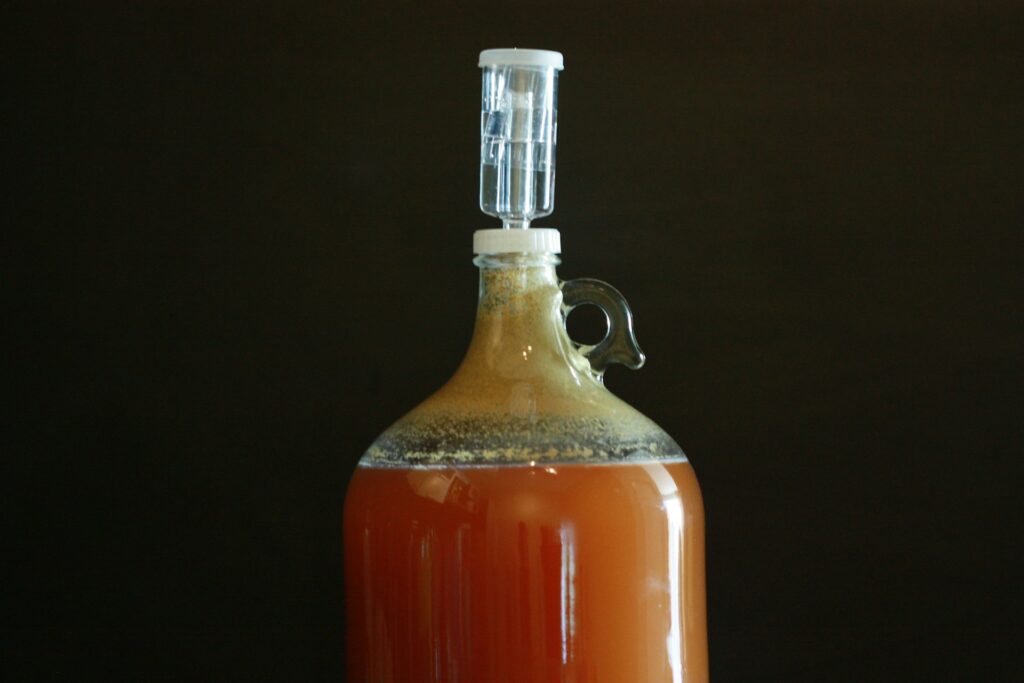
Yeast, a microscopic fungus present virtually everywhere on Earth, has a voracious appetite for glucose and fructose found in fruits, honey, and grains. Wild yeasts floating in the air encounter sugars, and fermentation begins. Yeast consumes these sugars in an oxygen-free environment, producing two main byproducts: carbon dioxide (the fizz) and ethanol.
Nature didn’t intend to create a psychoactive substance. Plants produce sugar to entice animals to eat their fruit and spread their seeds. Yeast just happens to be an opportunistic gatecrasher at that feast. For early humans, the function of alcohol was twofold: it was a calorie-dense energy source in a scarce world, and, crucially, it was a mind-altering substance that dissolved social anxieties and dulled the pain of a hard existence.
The primordial pub: discovery of alcohol and first users
This discovery probably happened thousands of years before human civilization itself. Evidence suggests that our primate ancestors were already consuming fermented fruits, suggesting that the metabolic ability to process alcohol predates our species entirely. But intentional fermentation, humans deliberately creating alcoholic beverages, represents a quantum leap in sophistication and planning.
The oldest hard evidence we have comes again from Jiahu, China (around 7000 BCE), with pottery residues showing a fermented beverage of rice, honey, and hawthorn fruit. But many archaeologists believe alcohol predates agriculture entirely.
How alcohol was used in religion and rituals
In the ancient world, intoxication wasn’t recreational; it was sacred. The altered state of consciousness induced by alcohol was viewed as a bridge to the divine.
The Sumerians worshipped Ninkasi, the goddess of beer, whose “hymn” was actually a brewing recipe. They viewed beer as a divine gift, a sacred substance worthy of being offered to gods.
Wine emerged as the elite beverage of the ancient Mediterranean world. While beer was the drink of common workers and soldiers, wine signified wealth and power. In ancient Egypt, wine was reserved for royalty and the social elite. The tomb of the Scorpion king, who ruled when Egypt’s first brewery was built around 3400 BC, contained approximately 700 wine jars imported from the southern Levant. The symbolism was clear: wine meant status.
In ancient Greece, mead, a fermented beverage made from honey and water, was initially preferred over wine. The Greeks considered mead the nectar of the gods, believing that honey possessed cleansing and healing powers that could bestow immortality.
In ancient China, fermented grains were central to ancestral worship. Families prepared rice wine for rituals, particularly during festivals like Qingming, believing that their ancestors’ spirits could partake in the essence of these offerings. Wine was sometimes heated in bronze vessels before presentation at family altars, a ritual called “yu” that symbolized the connection between the living and their ancestors.
Alcohol became central to liturgy, from the Jewish Kiddush cup to the Christian Eucharist. It was a tool for shamans to enter trances and for entire communities to bond during feasts. It dissolved the ego, allowing the sacred to enter.
The Liquid Economy: Trade and Technology
As civilization advanced, alcohol became one of the world’s most critical commodities. It was durable, portable, and universally desired. The Mediterranean trade routes were essentially highways for wine. The Romans spread viticulture (grape growing) across Europe, planting vineyards in France and Germany to supply their legions. Amphorae filled with wine have been found in shipwrecks across the known world.
Later, during the Age of Exploration, alcohol was vital technology. Water stored in wooden casks on long sea voyages would quickly putrefy, becoming deadly. Beer, wine, or rum, with their antimicrobial alcohol content, remained safe to drink for months. The British Navy didn’t run on wind alone; it ran on daily rations of grog.
The Alchemist’s Dream: Fermented vs. Distilled
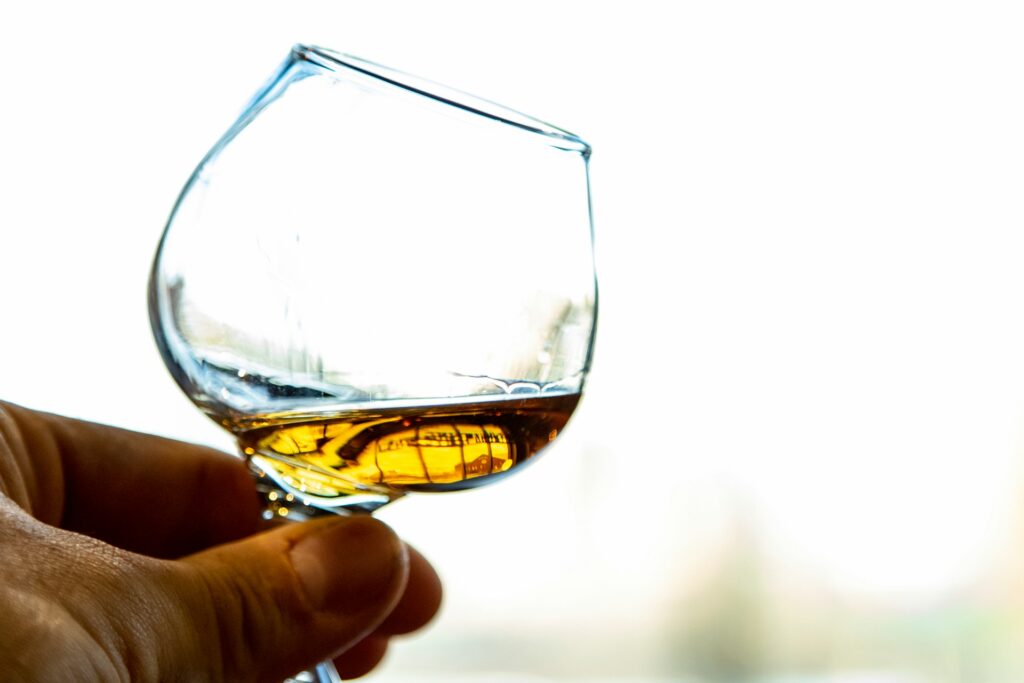
Understanding the difference between fermented and distilled beverages is crucial to understanding alcohol’s history, as the two represent fundamentally different technological achievements and cultural practices.
For thousands of years, humanity was limited to simple fermentation. Fermented beverages, beer, wine, cider, and mead, rely on the patient work of yeast over days or weeks. They require skill and observation but relatively simple equipment: a container, ingredients, yeast, and time. But, yeasts have a natural ceiling; once the alcohol concentration hits around 15-20%, the environment becomes too toxic for the yeast, and they die. This meant our ancestors only knew fermented beverages.
The game changed with the perfection of the alembic still, largely credited to Arabic alchemists around the 8th and 9th centuries CE. They weren’t initially trying to make stronger drinks; they were trying to isolate essences for perfumes and medicines, searching for the aqua vitae, the water of life.
Distillation works on a simple principle: alcohol boils at a lower temperature than water. By heating a fermented liquid (like wine) and capturing the vapor that rises first, you can condense it back into a liquid with a much higher alcohol concentration. Suddenly, wine could become brandy. A grain mash could become whiskey. The “spirit” had been separated from the body.
The Global Cabinet
The diversity of alcohol is a map of human ingenuity across different ecosystems:
- Mead, the fermented beverage made from honey and water, might be the oldest alcoholic drink of all. Achieved its greatest popularity during the Early Middle Ages, particularly among Germanic peoples, Scandinavians, and Anglo-Saxons.
- Beer emerges directly from grain cultivation. Requiring barley or other grains, water, yeast, and eventually hops, beer became the drink of civilizations that specialized in grain agriculture. Beer remained the drink of common people, especially in northern Europe, offering both nutrition and safer hydration than often-contaminated water sources.
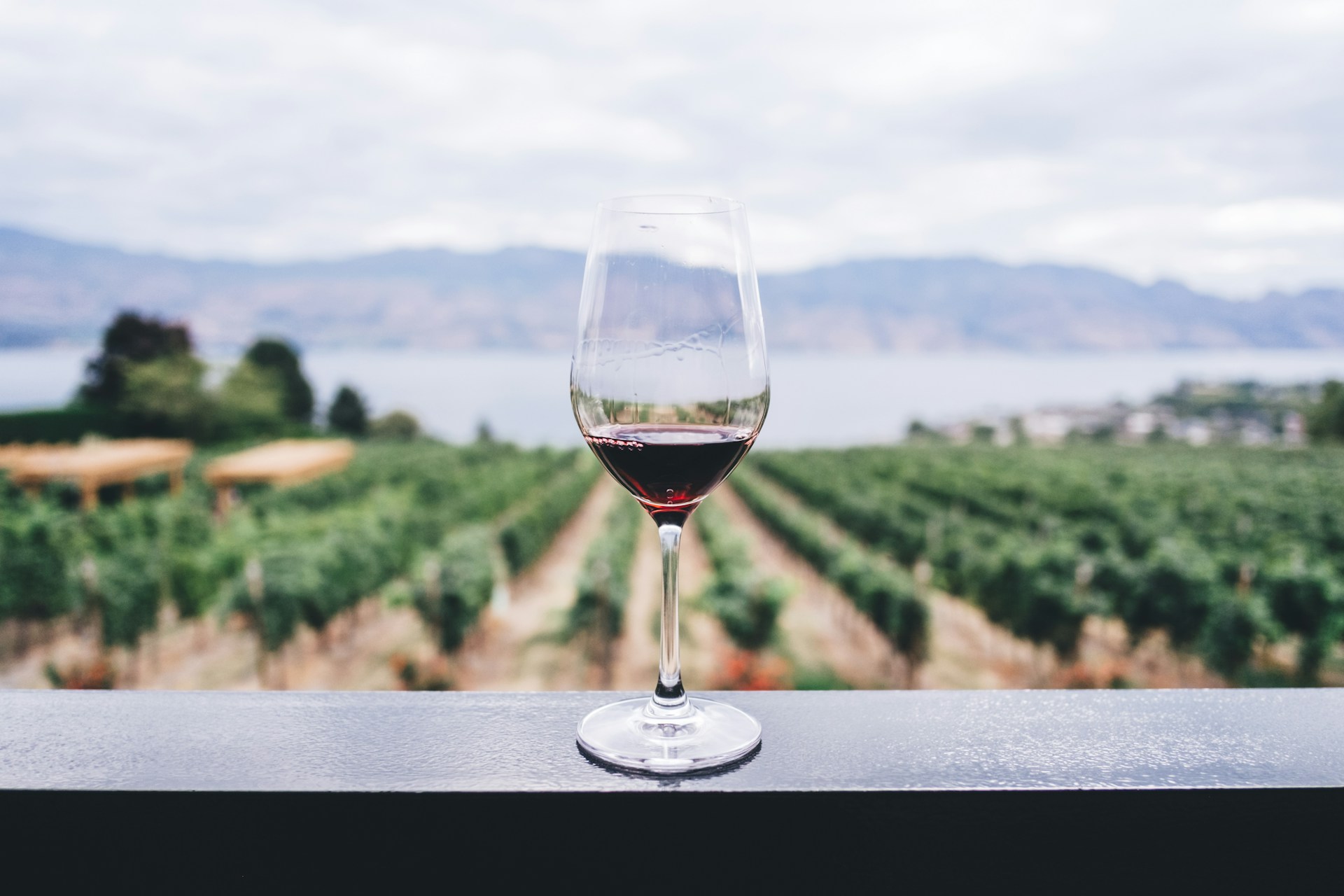
- Wine requires grapevines, which thrive in Mediterranean climates. The earliest wines emerged in regions where wild grapes grew naturally or could be cultivated. Wine became the beverage of power and prestige in Mediterranean civilizations, the drink of gods, kings, and philosophers.
- Spirits, the invention of distillation led to regional specialties based on local crops. Whisky emerged from the Scottish and Irish adaptation of distillation to grain mashing. Brandy comes from distilling wine, particularly in the Armagnac and Cognac regions of France. Vodka represents the Russian and Eastern European mastery of distillation from various grains and potatoes. Each spirit reflects its geographic origins and the agricultural resources available to its producers.
The Technologies That Built Civilization’s Bar
The production of alcohol at scale required technological innovations that went far beyond simply fermenting fruit juice. These innovations shaped civilization itself.
The earliest critical innovation was specialized pottery. Archaeological evidence from Early Neolithic China demonstrates that globular jars and funnel-steamers were deliberately designed for fermentation and alcohol production. These vessels could hold liquids without leaking, protected fermentation from contamination, and allowed for controlled oxygen exchange, all essential for successful fermentation.
Wooden barrels and fermentation vessels evolved from simple pottery into sophisticated containers. The porous nature of wood allowed for controlled oxygen exchange during certain fermentation processes, while the durability of wood made large-scale production possible. Medieval monks perfected barrel-making, and these barrels became crucial not just for fermentation but for aging and shipping alcohol across continents.
The development of distillation equipment enabled the creation of high-proof spirits. Early stills were simple: a heated container connected to a cooling chamber where vaporized alcohol could condense back into liquid. But as distillation became more important to commerce, still design evolved, ultimately leading to innovations like the Coffey still patented in 1831, which allowed for more efficient and cheaper production of spirits.
The alcohol’s impact on society
While alcohol’s effects on individuals have been documented throughout history, sometimes celebrated, sometimes lamented. Its impact on civilization itself is undeniable and multifaceted.
Alcohol provided safer hydration in an age before reliable water purification. The fermentation and distillation processes killed pathogens; the alcohol content prevented spoilage. In many historical periods, beer and wine literally were cleaner and safer to drink than water. This made alcohol essential to maintaining healthy populations in growing cities.
Alcohol created rituals and ceremonies that bound communities together. From the Feast of Drunkenness in ancient Egypt to symposia in Greece to medieval feasts in Europe to contemporary celebrations, shared drinking has marked important moments in human culture.
The history of alcohol is the history of human ingenuity applied to a fundamental goal: transforming raw ingredients into something more valuable, more pleasure-giving, and more culturally significant. From the first accidental fermentation in a stone mortar 13,000 years ago to the high-tech breweries and distilleries of today, alcohol production represents humanity’s capacity to observe nature, understand chemical processes, develop technologies, establish trade networks, and build civilizations around shared practices.