The history of salt and its impact on the world
We see salt as a condiment, a way to sharpen the flavor of a steak or add a pinch of zest to a caramel dessert. But if we could peel back the layers of time, we would find that salt was once the most precious substance on Earth. It was the “White Gold,” a mineral so vital that it dictated the location of cities, the routes of great trade networks, and the outcomes of some of history’s bloodiest wars.
As we explored in our previous look at early storage methods like clay and basketry, the primary challenge for ancient humans was surviving the “dead zones” of the year. While a clay pot could protect grain from moisture and pests, it couldn’t keep meat from rotting. For that, humanity needed a chemical miracle. They found it in salt.
The Science That Saved Civilizations
The magic of salt lies in a simple biological principle called osmosis. When food is packed in salt or submerged in brine, the mineral creates a hypertonic environment that literally sucks water out of microbial cells through their membranes. Bacteria, yeasts, and molds, the invisible agents of rot, find their cellular walls collapsing as moisture flees from areas of low salt concentration to high concentration. This dehydration doesn’t just inhibit growth; it creates an environment so hostile that most pathogens cannot survive.
Salt also reduces water activity in food itself, making the moisture that remains unavailable for microbial metabolism. The result is preservation that can extend a fish’s edibility from days to months, transforming seasonal catches into year-round provisions.
Ancient peoples didn’t need to understand microbiology. They only needed to begin with observation. Early hunters noticed that animals would congregate around natural salt mineral deposits. They may have observed that meat left near these deposits or in dried-out coastal tide pools didn’t spoil as quickly. This observation, repeated across millennia, became the foundation of food security.
The First Crystals: Discovery in Antiquity
The first recorded organized salt production takes us back to around 6,000 BCE in Northern China, at Lake Xiechi. There, ancient peoples harvested salt from the surface of the water during the dry season. In Europe, the “Hallstatt” culture in the Austrian Alps began mining rock salt as early as the Bronze Age, creating vast subterranean networks that are still marvels of engineering today.
In Ancient Egypt, salt was not just for the living; it was a bridge to the afterlife. While they used it to cure fish from the Nile, they also used natron (a natural salt mixture) for mummification. To the Egyptians, salt was the ultimate preservative, it could keep a body intact for eternity.

The Engine of the Global Economy
Once humans realized that salt allowed for the transport of food over long distances, it became the first true global commodity. It was the “petroleum” of the ancient world. If you controlled the salt, you controlled the food supply; if you controlled the food, you controlled the people.
The Romans were perhaps the masters of salt economics. They built the Via Salaria (the Salt Road) specifically to bring salt from the coast to the heart of Rome. It is a testament to its value that Roman soldiers were sometimes paid in salt,a “salarium,” which is the root of the modern word “salary.” A man who was “worth his salt” was quite literally worth his weight in wages.
As civilizations grew, salt became the catalyst for legendary trade routes. In Africa, the Trans-Saharan trade saw Tuareg caravans transport massive slabs of salt across the desert, often trading it ounce-for-ounce for gold. In the Mediterranean, salt-cured fish became a staple of maritime trade, allowing sailors to venture further from the coast than ever before, knowing their rations wouldn’t turn to poison mid-voyage.
Venice built its maritime empire on salt. The city, lacking natural resources, boiled seawater in giant cauldrons and traded the resulting salt across the Mediterranean. By the 13th century, Venice controlled salt works throughout the Adriatic and described salt as “the true foundation of our state”. The Hanseatic League in Northern Europe similarly monopolized Baltic salt, which was critical for preserving the region’s abundant fish.
Wars Over White Gold
The economic power of salt inevitably led to conflict. The Salt War of 1304 erupted when Padua attempted to build salt pans near Venice’s lagoon, challenging Venetian monopoly. Venice’s victory confirmed its control over regional salt production. In China, salt taxes funded entire dynasties, while salt smuggling became a capital crime.
Perhaps most dramatically, salt played a crucial role in the French Revolution. The gabelle, a hated salt tax, applied differently across French regions, creating a black market that enriched smugglers and impoverished the populace. This inequality became one of the many grievances that fueled revolutionary fervor.
Salt in the Americas: The Sacred Mineral of the Andes and Mayans
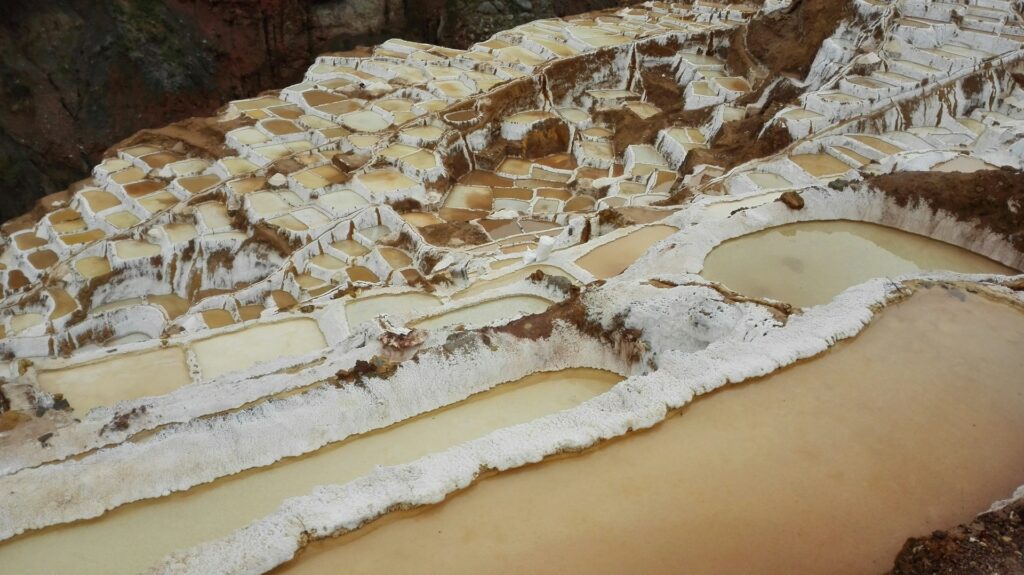
While the Old World was building roads for salt, the civilizations of the Americas were developing their own sophisticated salt technologies. In the high altitudes of the Andes, the Incas mastered the art of salt pans. At sites like Maras, which still operates today, they diverted salt-rich spring water into thousands of small, terraced man-made ponds. As the water evaporated in the thin mountain air, it left behind pure crystals that sustained the empire’s high-altitude populations.
For the Mayans, salt was both a biological necessity and a ritual tool. Living in a tropical environment where meat spoils in hours, salt was the only way to preserve protein. They established “salt works” along the Yucatan coast, producing thousands of tons of the mineral to be traded into the jungle interior for jade, obsidian, and quetzal feathers. To the Maya, salt was a gift from the gods, essential for the rituals that kept their universe in balance.
Technologies of Extraction: Brine and Fire
The impact of salt on civilization wasn’t just about trade; it was about the technology required to get it. Humans became incredibly creative in their extraction methods.
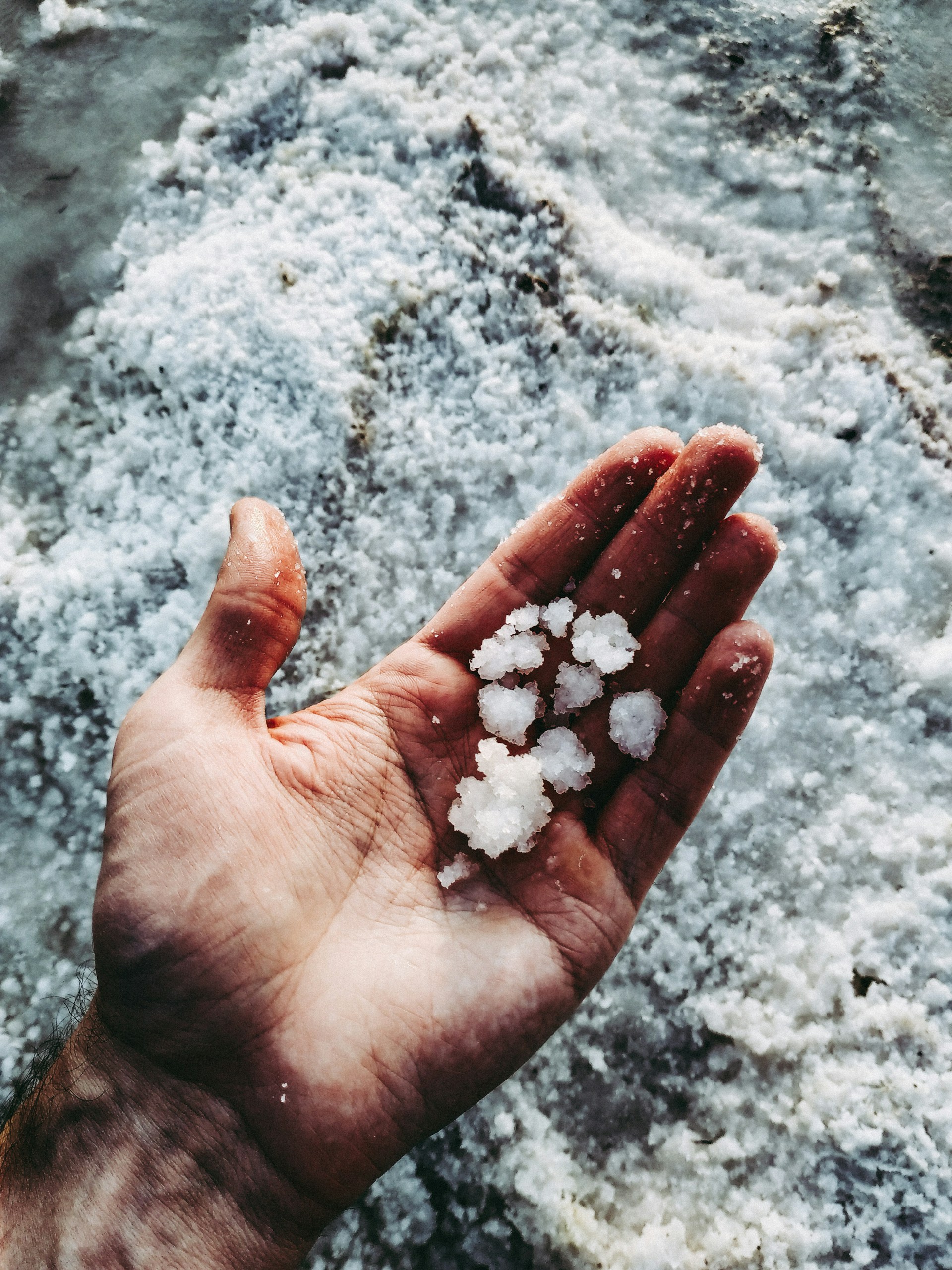
- Solar Evaporation: In coastal regions, humans built “salt pans”—shallow ponds where seawater was trapped and allowed to evaporate under the sun.
- Mining: In places like Hallstatt (Austria) or Wieliczka (Poland), humans used bronze and iron tools to dig hundreds of meters into the earth, carving out massive caverns of rock salt.
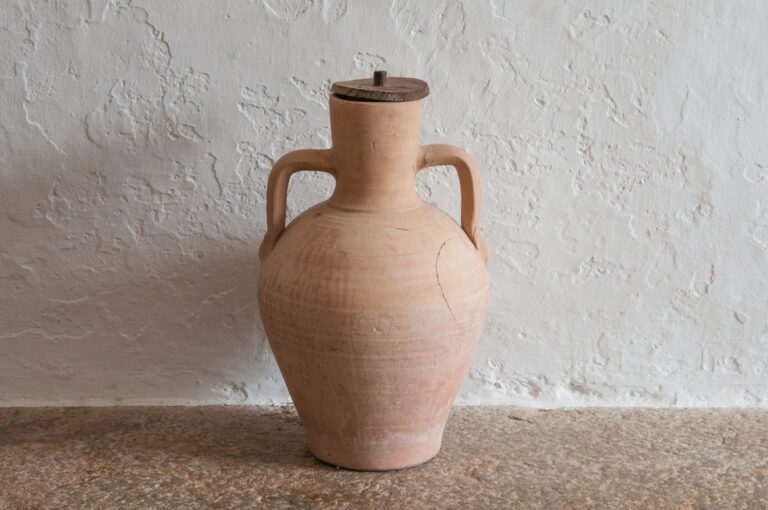
- Briquetage: In regions without sun or mines, people used fire. They would pour salty brine into ceramic vessels and boil them over intense heat until only the salt remained. This required massive amounts of firewood and specialized pottery, driving early industrial development.
The Impact of salt on the Human Story
The impact of salt preservation on human development cannot be overstated. Before refrigeration, salt was the only technology that converted seasonal abundance into storable surplus, enabling population growth beyond what local resources could sustain year-round. It allowed fishermen to preserve catches, farmers to store meat, and armies to campaign far from supply lines.
Salt’s role in the rise of complex societies extended beyond preservation. It created trade networks that spread ideas, technologies, and cultures across continents. The Trans-Saharan routes carried Islam into sub-Saharan Africa; the Silk Road connected East and West; Venetian salt galleys brought wealth that funded the Renaissance.
Every civilization that mastered salt extraction gained economic power and political influence. The Romans built roads for it, the Maya organized labor around it, the Inca engineered mountains to channel it. Control over salt meant control over food security, which meant control over people.
But salt wasn’t the only way humans learned to bend the elements to their will. Long before the refrigerator, there was another, more pungent discovery that transformed the very chemistry of what we eat.