The origins of animal domestication: from dogs to livestock
Animal domestication began over 15,000 years ago and fundamentally reshaped human history, enabling stable food supplies, transport, and more complex societies. It did not happen in a single place or moment, but in several regions where humans shifted from foraging to more settled lifeways during the Mesolithic and Neolithic periods.
Domestication is the hereditary reshaping of wild populations under human control, favoring traits such as docility, productivity, and tolerance of captivity. Over many generations, human management and selective breeding produced animals that differ anatomically, behaviorally, and genetically from their wild ancestors, and that rely on human care to thrive.
The first domesticated animals
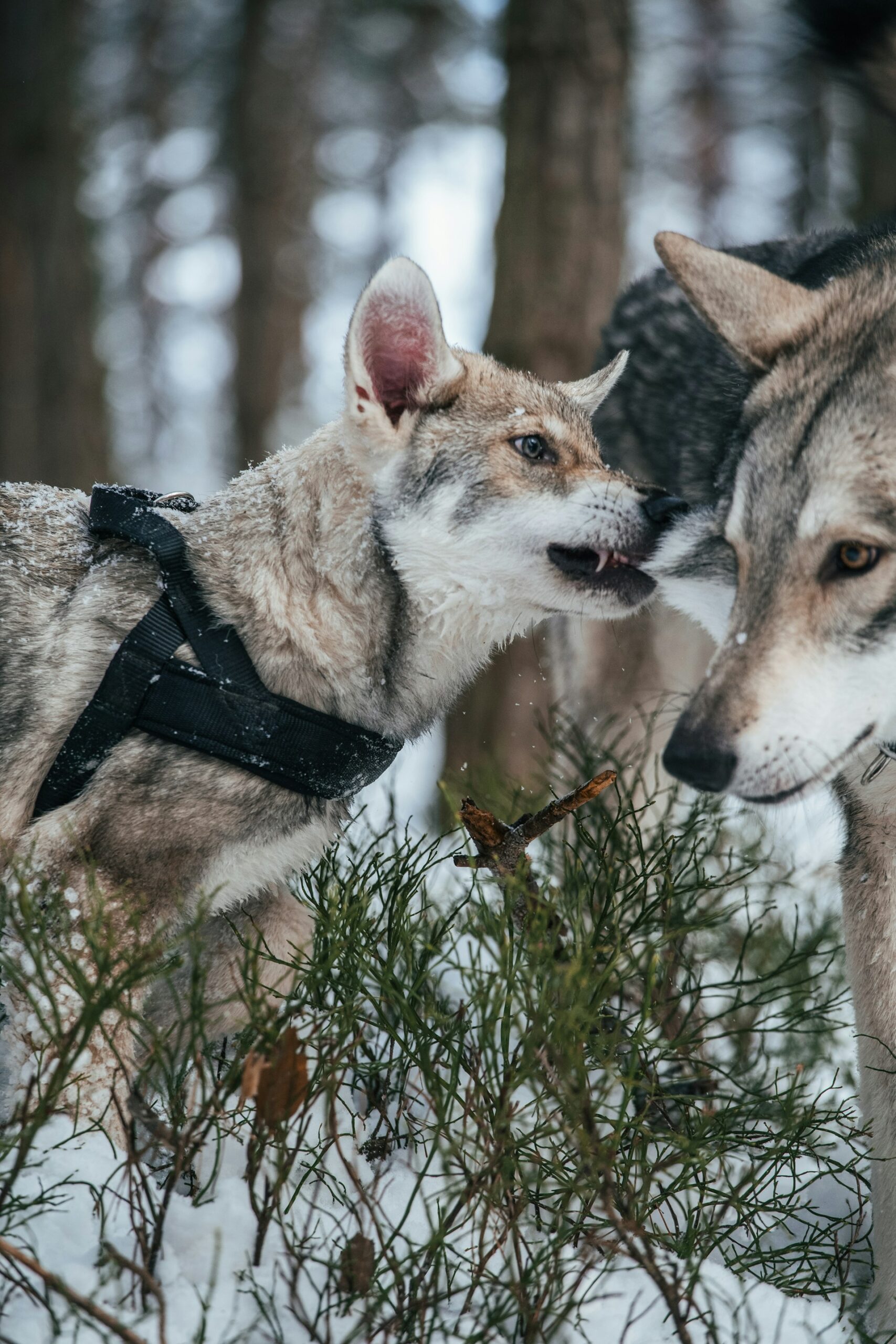
The dog is widely regarded as the first domesticated animal, derived from grey wolf populations at least 15,000 years ago, long before agriculture. This process likely began when less-fearful wolves were attracted to hunter-gatherer camps to scavenge scraps, leading to a commensal relationship that evolved into partnership in hunting, guarding, and companionship.
Livestock domestication came later, around 11,000–9,000 BCE in the Near East, when people began managing wild herds of sheep, goats, pigs, and cattle. These species were first raised primarily for meat but eventually supplied milk, hides, wool, and labor, becoming the backbone of early food-producing economies.
Herd animals: sheep, goats, and cattle
Humans in Southwest Asia domesticated sheep from wild mouflon between 11,000 and 9,000 BCE, establishing one of the world’s first food animal populations. Early sheep were valued for meat, milk, and skins; woolly breeds, which transformed textile production, appear in the archaeological record a few millennia later.
Early inhabitants of Anatolia (modern Turkey) and the Zagros Mountains domesticated goats soon after, between roughly 10,500 and 8,000 BCE. Their hardiness, ability to browse on rough vegetation, and social nature made them ideal for early village economies and mobile pastoralists alike.
Cattle domestication involved at least two major events: taurine cattle derived from wild aurochs in Egypt, Mesopotamia, and coastal areas of the Arabian Peninsula, roughly 11,000 years ago, and zebu cattle domesticated later in South Asia. Beyond meat and milk, cattle supplied traction for plows and carts, allowing farmers to cultivate larger fields and transport goods over long distances, which in turn supported higher population densities and trade networks.
Together, herds of sheep, goats, and cattle established a new economic base and produced reliable supplies of protein, fat, wool, and traction, replacing the sporadic nature of hunting. This reliability encouraged permanent settlements, surplus accumulation, and social hierarchies built around control of land and livestock.

Dogs and cats: companions and pest controllers
Dogs, as the earliest domesticate, occupy a special place in the story of civilization. Genetic and archaeological evidence shows they split from wolf lineages at least 15,000 years ago, possibly in more than one region of Eurasia, accompanying humans as hunting partners, guards, and social allies.
Their roles extended beyond utility: dogs appear in burials, art, and ritual contexts, suggesting symbolic and emotional significance that helped cement the relationship across cultures. Some scholars argue that lessons learned from managing dogs, about breeding, behavior, and interspecies cooperation may have paved the way for later livestock domestication.
Cats followed a different path. The domestic cat likely descends from Near Eastern wildcats that began frequenting early Neolithic villages in the Fertile Crescent around 10,000 years ago. As humans stored grain, rodents flourished, and wildcats that tolerated human proximity gained easy hunting opportunities, gradually forming a mutualistic relationship.
Unlike herd animals, cats avoided human pens and intensive breeding at first; instead, they “self-selected” for tameness and effectiveness as pest controllers around settlements. Over time, this niche made them integral to agricultural societies, protecting precious grain stores and later acquiring cultural and religious roles, notably in ancient Egypt.
Llamas, guanacos, and American domestication
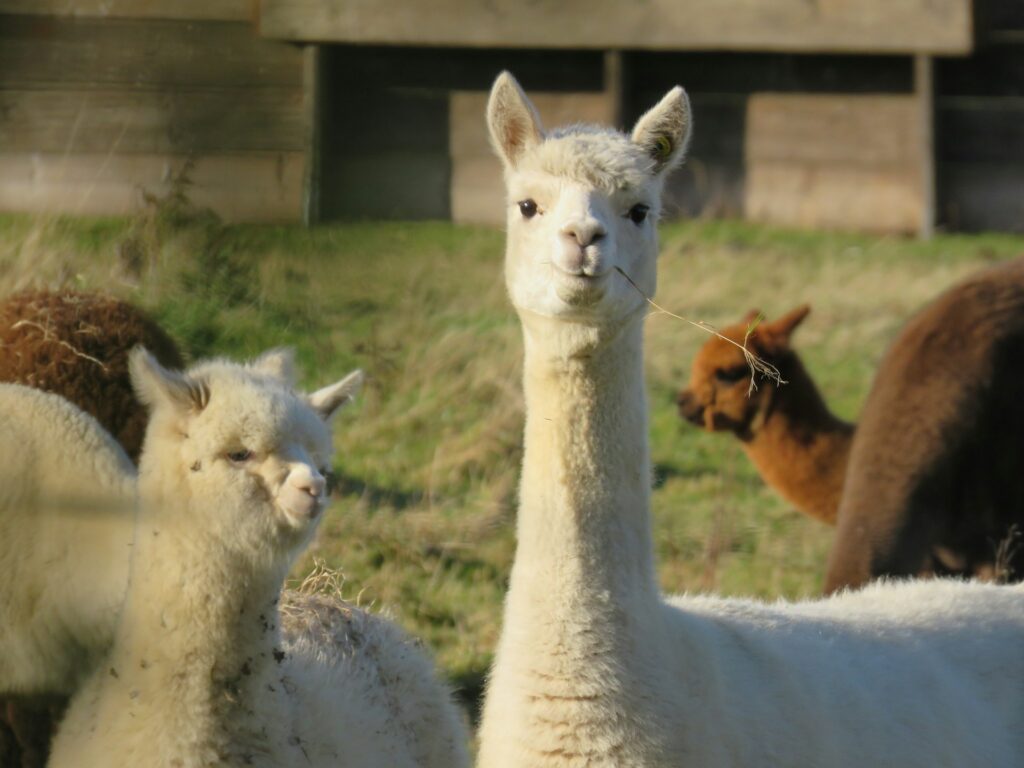
In the Americas, domestication followed its own trajectory, with South American camelids playing a central role in Andean civilizations. Wild guanacos and vicuñas gave rise to domestic llamas and alpacas through human intervention in the central Andes several millennia before the Common Era.
Ancient DNA and archaeological evidence suggest that llama domestication emerged from managed guanaco populations through phases of herd protection and selective breeding. Humans protected guanacos from predators and selectively culled or bred them near camps, gradually transforming the species into domestic llamas suited for transport and fiber.
Pre‑Inca societies and later the Inca Empire relied heavily on llamas as pack animals in rugged mountainous terrain, where wheeled vehicles and large Old World draft animals were absent. Llamas carried goods along extensive road networks, while alpacas and related camelids provided fine and coarse fibers, meat, and dung used as fuel and fertilizer in high-altitude environments.
These animals underpinned complex Andean economies, enabling surplus production, long‑distance exchange, and state redistribution systems centuries before European contact. Their domestication illustrates how different environments led to distinct animal partnerships: where Eurasia leaned on cattle and horses, the Andes turned to camelids for mobility and textiles.
The Impact of Domestication on Early Civilizations
Domestication was not just about taming individual animals; it required new technologies, social organization, and ways of thinking about the non‑human world. Early farmers and herders developed:
- Pens, corrals, and stables to control movement and protect herds.
- Breeding strategies to encourage desired traits like docility, milk yield, or wool quality.
- Seasonal grazing routes, fodder storage, and veterinary knowledge to maintain large animal populations.
In the Near East and Europe, Neolithic communities combined cereal agriculture with flocks of sheep, goats, pigs, and cattle, forming village networks that evolved into early cities and states. In the Andes, specialized pastoralists managed llama and alpaca herds while farmers built terraced fields, together sustaining large polities in harsh highland settings.
The impacts on civilization were profound:
- More reliable animal protein and secondary products supported demographic growth and urbanization.
- Control of herds became a source of wealth and power, driving social stratification, tribute systems, and sometimes conflict over grazing lands and water.
- Extensive grazing and land clearing reshaped ecosystems, while close contact with animals also created new pathways for disease transmission between species.
From the first wolf‑camp followers to the great herds and camelid caravans of antiquity, domesticated animals transformed humans from opportunistic foragers into builders of complex, interdependent civilizations.